


Quick Answer: For most pregnant women, 15-20 mmHg compression socks provide adequate support for mild swelling, leg fatigue, and varicose vein prevention. Women experiencing more significant swelling, existing varicose veins, or those at higher risk for deep vein thrombosis (DVT) may benefit from 20-30 mmHg or 30-40mmHg compression, typically with guidance from a healthcare provider. You can start wearing compression socks as early as the first trimester, especially if you have a history of varicose veins and continue wearing them for up to 6 weeks postpartum, when blood clot risk remains elevated. Put them on first thing in the morning before swelling begins, and remove them before bed.
Swelling, tired legs, and varicose veins are among the most common discomforts of pregnancy. Research shows that up to 80% of pregnant women experience lower limb edema (swelling), particularly in the third trimester, and 20-50% develop varicose veins. Compression socks offer a simple, drug-free solution to help manage these symptoms while also reducing the risk of more serious complications like deep vein thrombosis (DVT).
But with different compression levels available, from mild 8-15 mmHg to firm 30-40 mmHg, how do you know which is right for you? At LMC Footcare, our registered chiropodists help expectant mothers across Ontario choose the appropriate compression level and ensure proper fitting. With 8 clinic locations, including Toronto, Vaughan, Brampton, and Ottawa, professional guidance is readily accessible throughout your pregnancy.
Key Points: Compression Socks During Pregnancy
• 15-20 mmHg: Best for mild pregnancy swelling, leg fatigue, and prevention of varicose veins—sufficient for most pregnant women
• 20-30 mmHg: Recommended for moderate swelling, existing varicose veins, DVT prevention, or when prescribed by a healthcare provider
• You can start wearing compression socks as early as the first trimester—the earlier you begin, the better for prevention
• Continue wearing them for 4-6 weeks postpartum, when DVT risk remains high
• Put compression socks on first thing in the morning, before getting out of bed, when swelling is minimal
• Consult a chiropodist for proper fitting—incorrect sizing can be ineffective or even harmful
Why Pregnancy Takes a Toll on Your Legs
During pregnancy, your body undergoes significant changes that directly impact circulation in your lower extremities:
Increased Blood Volume: Your body produces approximately 50% more blood to support your growing baby. This increased volume puts additional pressure on blood vessels, particularly in the legs.
Hormonal Changes: The hormone relaxin, which helps prepare your body for childbirth by loosening ligaments, also affects blood vessel walls. This can cause veins to dilate, making it harder for blood to return efficiently to the heart.
Uterine Pressure on Veins: As your uterus grows, it places increasing pressure on the inferior vena cava (the large vein carrying blood from your lower body to your heart) and pelvic veins. This slows blood return from the legs, contributing to swelling and pooling.
Increased Clotting Factors: Pregnancy naturally increases blood clotting factors—a protective mechanism against hemorrhage during delivery—but this also raises the risk of blood clots, including deep vein thrombosis (DVT).
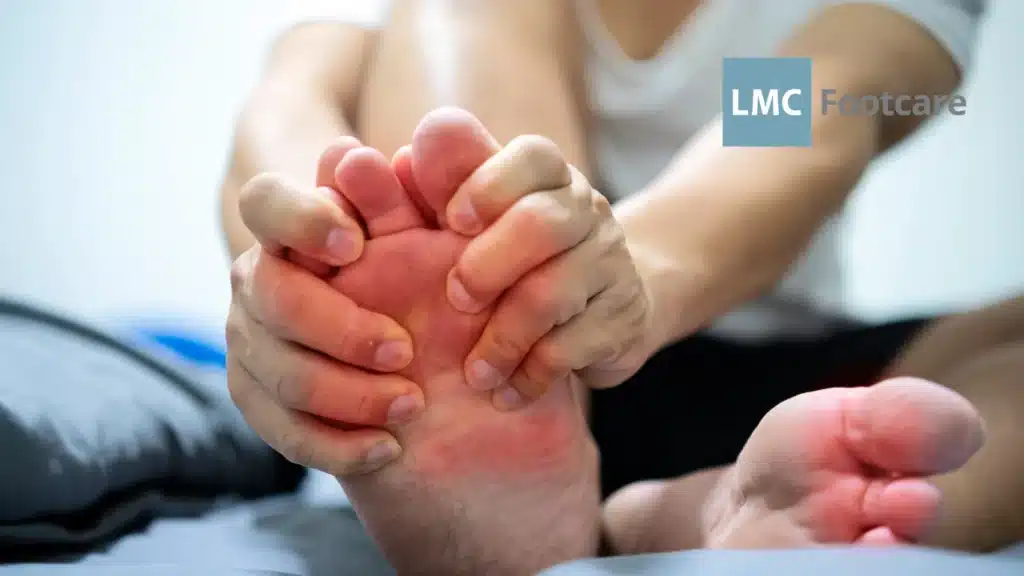
These changes can result in swollen ankles and feet, tired and achy legs, varicose veins, spider veins, leg cramps (particularly at night), and an increased risk of DVT. Compression socks help counteract these effects by applying graduated pressure that supports blood flow back to the heart.
Compression Levels Explained: Which mmHg Is Right for Pregnancy?
Compression is measured in millimetres of mercury (mmHg), the same unit used for blood pressure. Higher numbers mean stronger compression. For pregnancy, two levels are most commonly recommended:
| Compression Level | Best For | Notes |
| 15-20 mmHg | Mild swelling, leg fatigue, varicose vein prevention, and everyday comfort | The most common choice for pregnancy. Available OTC. Comfortable for all-day wear. |
| 20-30 mmHg | Moderate-significant swelling, existing varicose veins, DVT prevention, and late pregnancy | Medical-grade. Often prescribed. Consult a healthcare provider before use. |
| 30-40 mmHg | Severe edema, chronic venous insufficiency, lymphedema, severe varicose veins | Prescription only. Requires professional fitting and medical supervision. |
15-20 mmHg: The Most Common Choice for Pregnancy
For the majority of pregnant women, 15-20 mmHg compression socks provide an effective balance of support and comfort. This level is ideal when you’re experiencing mild swelling in your ankles and feet, tired or achy legs by the end of the day, no existing varicose veins or only minor spider veins, or when you want to prevent varicose veins from developing.
This compression level is available over the counter without a prescription and is comfortable enough for all-day wear. Many women find this level works well throughout their entire pregnancy, from early months through delivery.
20-30 mmHg: When You Need More Support. A DVT needs 30-40mmHg
Some women benefit from firmer compression, particularly when dealing with moderate to significant edema (especially in later pregnancy), existing or developing varicose veins, a history of blood clots or DVT, prolonged standing or sitting during work, long travel (flights or car trips over 4 hours), or when you’re in the late third trimester, when symptoms typically worsen.
The 20-30 mmHg level is considered medical-grade compression. While available at pharmacies and medical supply stores, it’s best to consult with your healthcare provider or a chiropodist before using this level to ensure it’s appropriate for your specific situation and to get properly fitted.

When Should You Start Wearing Compression Socks During Pregnancy?
There’s no single “right” time to start, and it depends on your symptoms, risk factors, and comfort. Here’s guidance by trimester:
First Trimester
Most women don’t experience significant swelling this early. However, starting compression socks in the first trimester may be beneficial if you have a history of varicose veins or DVT, your job requires prolonged standing or sitting, you’ve had pregnancy-related swelling or vein issues in previous pregnancies, or your healthcare provider recommends early prevention. Starting early can help prevent problems before they develop, rather than treating them after they appear.
Second Trimester
Many women begin noticing mild swelling or leg fatigue around this time. This is often when the benefits of compression socks become noticeable. If you’re starting to feel discomfort by the end of the day, this is a good time to begin wearing them.
Third Trimester
This is when most women experience the most significant swelling, as blood volume peaks and uterine pressure on pelvic veins is greatest. Wearing compression socks daily during the third trimester can make a substantial difference in comfort and circulation. Up to 80% of pregnant women experience edema during this stage.
Postpartum: Don’t Stop at Delivery
Important: Many women don’t realize that the risk of blood clots actually remains elevated for 4-6 weeks after delivery. Experts recommend continuing to wear compression socks during this postpartum period, particularly if you had a cesarean delivery, have limited mobility during recovery, or experienced significant swelling during pregnancy. This is especially important after C-sections, when mobility is reduced.
How to Wear Compression Socks During Pregnancy: Best Practices
Put them on in the morning: The most effective time to put on compression socks is first thing in the morning, before you get out of bed. At this point, your legs have minimal swelling from being elevated overnight. Once swelling develops during the day, it becomes much harder to put on compression socks, and they’re better at preventing swelling than reducing it once it’s already present.
Wear them throughout the day: Keep compression socks on during your active hours—when you’re standing, walking, sitting at work, or going about daily activities. This is when gravity works against your circulation and compression provides the most benefit.
Remove them before bed: It’s generally not necessary to wear compression socks while sleeping. When you’re lying down, your legs are level with your heart, so gravity isn’t working against circulation. Unless your healthcare provider specifically recommends overnight wear, remove it before bed to let your skin breathe.
Tips for putting them on: Compression socks are snug by design, which can make them challenging to put on, especially with a growing belly. Sit on the edge of the bed or a sturdy chair. Scrunch the sock down to the toe, then slide your foot in and gradually roll the sock up your leg. Using rubber gloves can help with grip. Don’t fold or roll down the top—this creates a tourniquet effect that restricts circulation.
Benefits of Compression Socks During Pregnancy
Reduce Swelling (Edema)
By applying graduated pressure—tighter at the ankle and decreasing up the leg—compression socks help prevent fluid from accumulating in your lower legs and feet. Clinical studies confirm that pregnant women wearing compression stockings experience significantly smaller increases in ankle and calf measurements compared to those who don’t.
Prevent and Manage Varicose Veins
Pregnancy significantly increases the risk of developing varicose veins—up to 40% of first-time pregnancies result in varicose veins. While compression socks may not completely prevent their formation, they help reduce pressure on the veins, minimize worsening of existing veins, and improve leg symptoms like pain and heaviness.
Lower Risk of Deep Vein Thrombosis (DVT)
DVT—a blood clot in a deep vein, usually in the leg—is a serious concern during pregnancy and postpartum. Pregnancy increases DVT risk by 4-5 times compared to non-pregnant women. Compression socks help by keeping blood moving rather than pooling in the legs, which reduces the opportunity for clots to form. This is particularly important during long travel or extended bed rest.
Relieve Leg Fatigue and Discomfort
Many pregnant women experience heavy, tired, or achy legs—especially after a long day. Compression socks support the muscles in your legs and improve circulation, which can reduce that dragging fatigue and help you stay more active and comfortable.
Reduce Leg Cramps
Leg cramps are common during the third trimester, particularly at night. By improving circulation and supporting muscle function, compression socks may help reduce the frequency and severity of these cramps.
Getting Properly Fitted for Maternity Compression Socks
While mild compression socks (15-20 mmHg) are available over the counter, professional fitting ensures you get the right size and compression level for your needs. Compression socks that are too loose won’t provide adequate support; socks that are too tight can actually impede circulation.
At LMC Footcare, our chiropodists:
• Review your medical history to identify any conditions that might affect compression recommendations
• Take precise measurements of your legs and feet for proper sizing
• Help you choose the right style (knee-high, thigh-high, or full compression pantyhose)
• Teach you how to properly put on and care for your compression socks
• Schedule follow-ups to ensure continued proper fit as your body changes
LMC Footcare has 8 clinic locations across Ontario—including Toronto (Bayview/Midtown, Etobicoke, Scarborough), Vaughan, Brampton, Oakville, Barrie, and Ottawa—making it convenient to get a professional fitting during your pregnancy.
Safety Considerations for Compression Socks in Pregnancy
Compression socks are generally safe during pregnancy, but certain precautions apply:
Consult your healthcare provider if: You have high blood pressure or preeclampsia, diabetes affecting circulation, peripheral artery disease (PAD), skin conditions or open wounds on your legs, or any concerns about blood clots or circulation.
Warning signs to watch for: Remove your compression socks and consult a healthcare provider if you experience numbness or tingling in your feet or legs, skin irritation, redness, or discoloration, increased pain or discomfort, or signs of infection.
When to seek immediate care: If you notice pain or swelling in only one leg (not both), warmth or redness in a specific area of one leg, or sudden, severe swelling—these could be signs of DVT and require immediate medical attention.
Why Choose LMC Footcare for Maternity Compression Socks
LMC Footcare is part of LMC Healthcare, one of Canada’s largest teams of medical specialists. Our chiropodists work within a multidisciplinary team that includes endocrinologists, particularly valuable for pregnant women with gestational diabetes or other conditions affecting circulation.
Professional Assessment: Our chiropodists can perform vascular assessments and help determine whether compression therapy is appropriate for your specific situation—something you can’t get when buying socks online.
Insurance Coverage: Many extended health insurance plans cover compression stockings when prescribed. Our chiropodists can provide prescriptions and all necessary documentation for insurance claims. OHIP does not cover compression stockings.
8 Convenient Locations: Visit us in Barrie, Bayview/Midtown Toronto, Brampton, Etobicoke, Oakville, Ottawa, Scarborough, or Vaughan. No referral required.
Book Your Compression Sock Fitting
If you’re pregnant and experiencing swelling, leg discomfort, or want to prevent varicose veins, our registered chiropodists can help you find the right compression socks for your needs.
Contact LMC Footcare at 1-844-562-3668 or email footcare@lmc.ca to book your appointment. You can also book online at lmcfootcare.ca/appointment-booking.
Frequently Asked Questions: Compression Socks and Pregnancy
What compression level is best for pregnancy swelling?
For mild pregnancy swelling (the most common scenario), 15-20 mmHg compression socks are typically sufficient and comfortable for all-day wear. If you have more significant swelling, existing varicose veins, or higher risk factors for blood clots, 20-30 mmHg may be recommended by your healthcare provider. Start with 15-20 mmHg unless otherwise advised.
When should I start wearing compression socks during pregnancy?
You can start wearing compression socks as early as the first trimester, especially if you have a history of varicose veins or circulation issues. Many women begin in the second trimester when mild swelling starts, though the third trimester is when symptoms are typically most pronounced. Starting earlier helps prevent problems before they develop.
Should I wear compression socks after giving birth?
Yes. Experts recommend wearing compression socks for 4-6 weeks postpartum because the risk of blood clots remains elevated after delivery. This is especially important after cesarean delivery, when mobility is reduced, or if you experienced significant swelling during pregnancy.
Can I sleep in compression socks while pregnant?
Generally, it’s not necessary to wear compression socks while sleeping. When you’re lying down, your legs are level with your heart, so gravity isn’t working against circulation. Remove compression socks before bed unless your healthcare provider specifically recommends overnight wear.
Are compression socks safe during pregnancy?
Yes, compression socks are generally safe during pregnancy and are recommended by many OB-GYNs and vein specialists. However, if you have conditions like peripheral artery disease, preeclampsia, or diabetes affecting circulation, consult your healthcare provider before wearing compression socks. Always ensure proper fit—socks that are too tight can restrict circulation rather than improve it.
Will compression socks prevent varicose veins during pregnancy?
Compression socks may not completely prevent varicose veins from developing during pregnancy—some degree of vein changes is common due to hormonal and circulatory changes. However, research shows that compression therapy can reduce the progression of varicose veins, improve leg symptoms (pain, heaviness, fatigue), and help prevent worsening of existing veins.
Do I need a prescription for compression socks during pregnancy?
Mild compression (15-20 mmHg) is available over the counter without a prescription. Medical-grade compression (20-30 mmHg and higher) may require a prescription for insurance coverage. At LMC Footcare, our chiropodists can prescribe compression stockings and provide proper fitting to ensure you get the right level and size for your needs.
Where can I get compression socks for pregnancy in Ontario?
LMC Footcare offers professionally fitted compression socks at 8 clinic locations across Ontario: Barrie, Bayview/Midtown Toronto, Brampton, Etobicoke, Oakville, Ottawa, Scarborough, and Vaughan. Our chiropodists ensure proper sizing and compression level for your pregnancy needs. Call 1-844-562-3668 or visit lmcfootcare.ca/appointment-booking to schedule your appointment.
Disclaimer: This article is for informational purposes only and should not replace professional medical advice. Always consult with a healthcare provider before starting any new treatment, especially if you have existing health conditions.