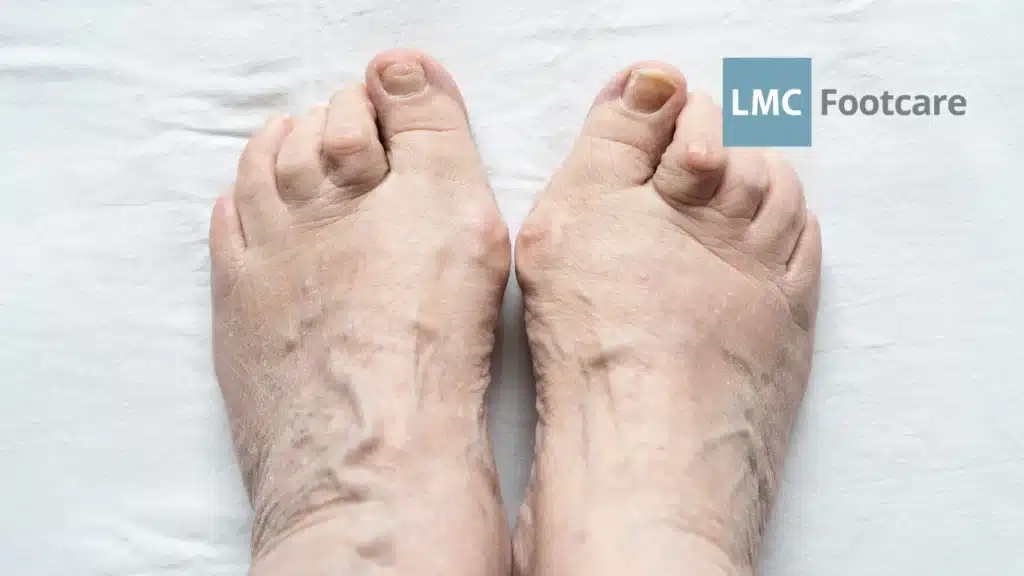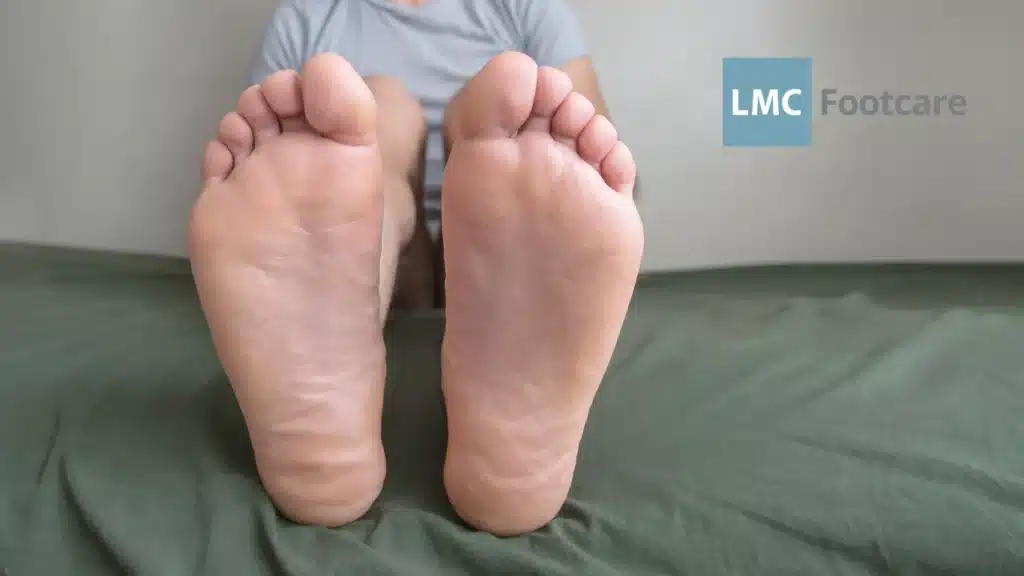
Pes Cavus (High Arches): Symptoms, Complications, and Treatment Options
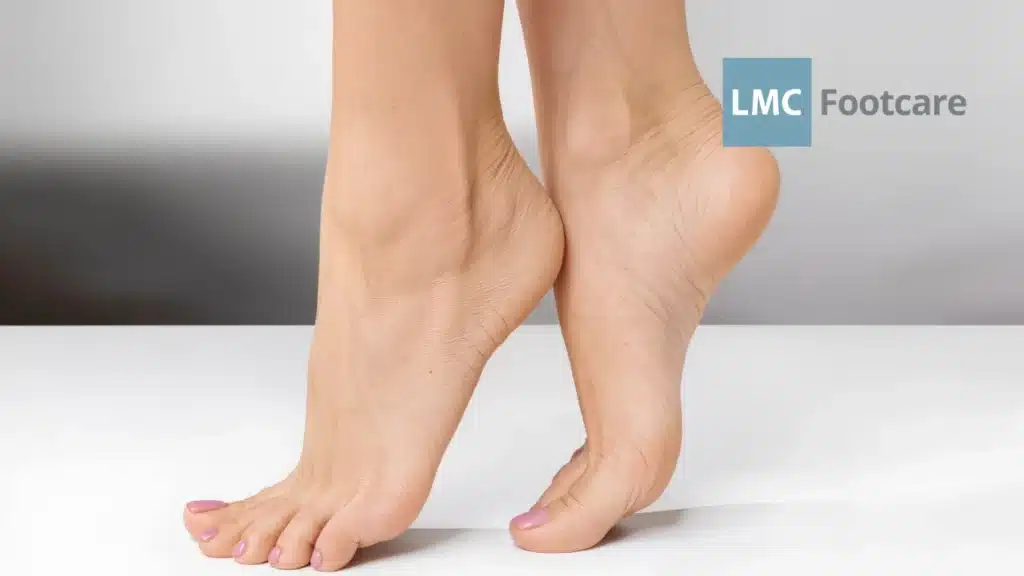
High arches (pes cavus) are a foot condition in which the arch sits significantly higher than normal, concentrating body weight on the heel and ball

High arches (pes cavus) are a foot condition in which the arch sits significantly higher than normal, concentrating body weight on the heel and ball
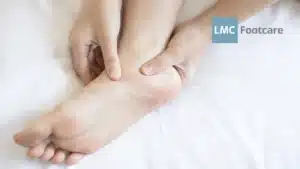
The location, timing, and character of the foot pain are the clearest indicators of what is actually causing it. Heel pain that is worst first
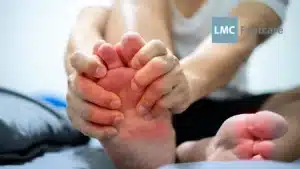
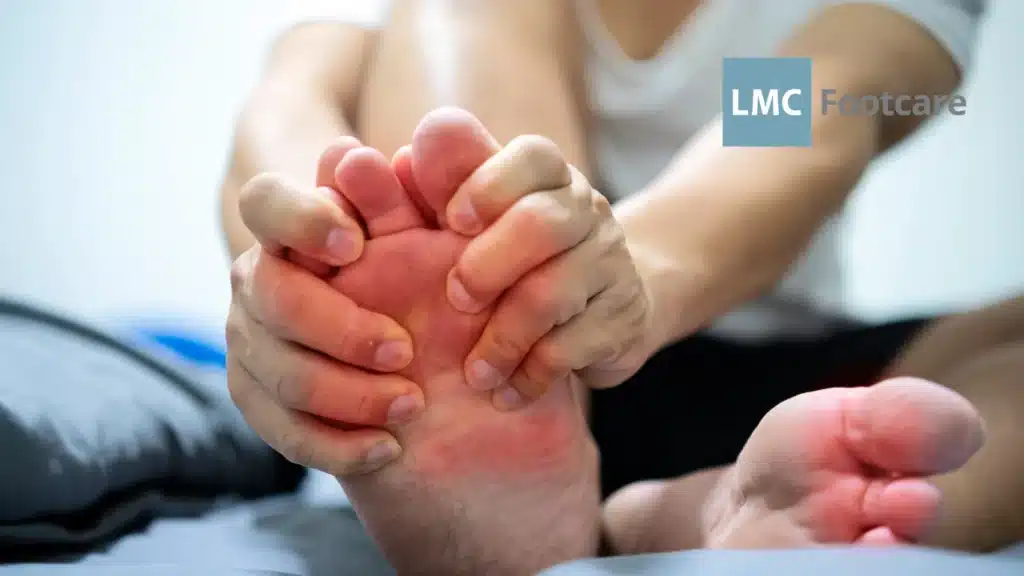
Foot pain is most commonly caused by biomechanical imbalances, overuse, poorly fitted footwear, or underlying health conditions that affect the structure and function of the
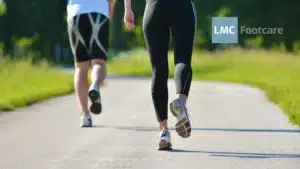
Not every runner needs custom orthotics, but they make a significant difference for those with biomechanical issues such as overpronation, flat feet, or high arches,
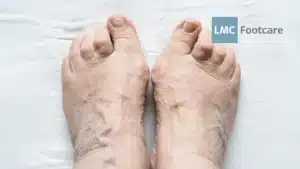
Custom orthotics can help manage hammer toes by correcting the underlying foot mechanics that contribute to the deformity, redistributing pressure away from the affected toes,
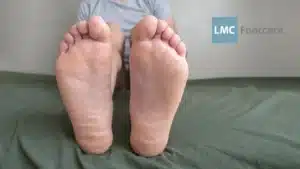
For most adults, custom orthotics manage flat feet rather than permanently correcting the underlying foot structure. They work by supporting the arch, redistributing pressure, and