


Yes. Compression socks improve circulation by applying graduated pressure to the lower legs, which helps veins push blood back up toward the heart more efficiently. This reduces the tendency for blood to pool in the feet and ankles, making compression socks an effective tool for anyone experiencing poor circulation, leg fatigue, swelling, or vein-related conditions. At LMC Footcare, clinics across Ontario, including Toronto and Vaughan, offer professional compression sock consultations and fittings to help you find the right support for your circulatory needs.
How Do Compression Socks Improve Circulation?
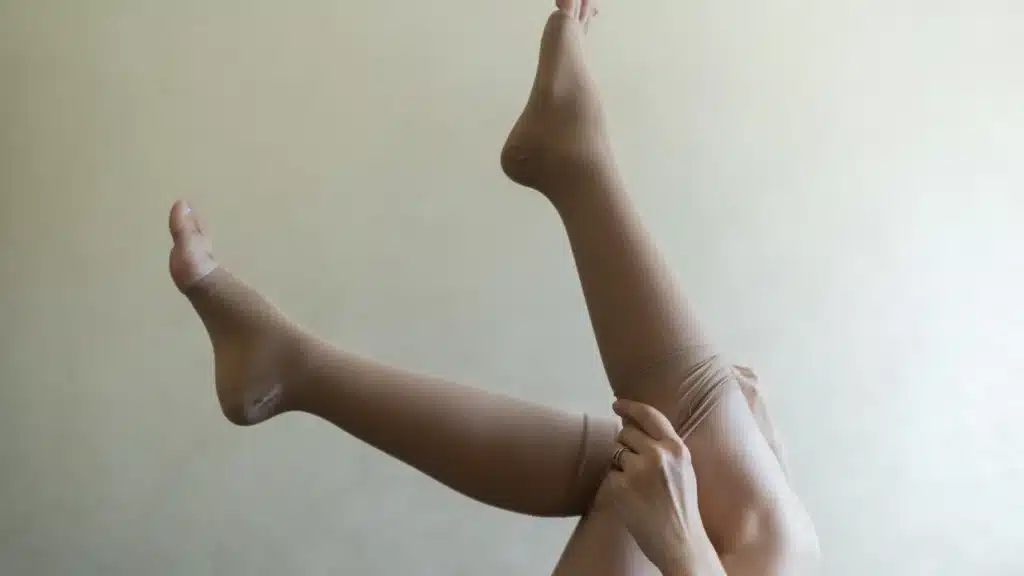
Compression socks work by applying pressure that is firmest at the ankle and gradually decreases up the calf, a design known as graduated compression. This gradient assists the veins and calf muscles in moving blood upward against gravity. The result is improved venous return, reduced fluid buildup in the lower limbs, and better overall circulation throughout the leg.
Who Benefits Most From Compression Socks for Circulation?
People who stand or sit for extended periods, frequent travellers, pregnant women, older adults, and those with diagnosed circulatory or vein conditions benefit most from compression socks. Anyone whose lifestyle or health status makes them prone to blood pooling, leg swelling, or sluggish venous return is likely to notice a meaningful improvement in how their legs feel with consistent compression sock use.
Can Poor Circulation Cause Leg Swelling and Fatigue?
Yes. When blood circulation in the legs is sluggish, fluid can accumulate in the lower limbs, causing swelling, heaviness, and fatigue, particularly by the end of the day. Poor circulation is also associated with aching, cramping, and a sensation of tightness in the calves and ankles. Compression socks address these symptoms directly by supporting the veins and encouraging consistent blood flow throughout the day.
Are Compression Socks Good for Varicose Veins and Venous Insufficiency?
Compression socks are a frontline management tool for varicose veins and chronic venous insufficiency (CVI) — conditions where weakened vein valves allow blood to flow backward and pool in the lower legs. By supporting the vein walls and maintaining upward blood flow, compression socks reduce the aching, heaviness, and visible enlargement associated with these conditions and are an important part of long-term circulatory management.
Do Compression Socks Help With Circulation During Travel?
Yes. Long periods of immobility during flights or road trips significantly slow venous circulation in the legs, increasing the risk of deep vein thrombosis (DVT) and general swelling. Compression socks maintain blood flow during travel by continuously applying pressure to the lower legs. They are particularly recommended for flights over four hours or for travellers with existing circulatory concerns or risk factors for clotting.
Can Compression Socks Help With Circulation in Diabetic Patients?
Diabetes can affect circulation in the lower limbs, contributing to swelling, nerve sensitivity, and slower tissue healing. Compression socks can support circulatory function in diabetic patients, but the compression level must be carefully selected — too much pressure can be harmful for individuals with compromised circulation or peripheral neuropathy. Diabetic patients need to consult a foot care professional before using compression socks to ensure the correct type and fit.
What Compression Level Is Best for Circulation?
The right compression level depends on the severity of the circulatory concern. Mild compression (8–15 mmHg) suits everyday fatigue and travel, moderate compression (15–20 mmHg) addresses regular swelling and early vein concerns, and higher levels (20–30 mmHg and above) are used for diagnosed venous conditions. Higher compression levels should always be selected with professional guidance to ensure they are safe and appropriate for your specific needs.
Do You Need a Prescription for Compression Socks?
Mild to moderate compression socks (up to 20 mmHg) are generally available without a prescription and are suitable for everyday circulatory support. Higher compression levels — typically 20 mmHg and above — are considered medical-grade and may require a prescription from a family physician or Chiropodist. At LMC Footcare, if you have a prescription, our Canadian Certified Pedorthists will help you find the right product to match it. If you do not have a prescription, our chiropodists are available to help determine the most appropriate compression option for your needs.
How Do You Get Properly Fitted for Compression Socks?
Proper fitting involves measuring the circumference of the ankle, calf, and sometimes the thigh, as well as the length of the lower leg. These measurements ensure the sock applies the correct graduated pressure without being too tight or too loose. A poorly fitted compression sock can restrict circulation rather than support it, which is why professional fitting is strongly recommended over self-measurement or general sizing guides.
Related Conditions We Treat
Circulatory concerns in the lower limbs rarely exist in isolation. At LMC Footcare, our team assesses and supports a range of conditions connected to poor leg circulation, including varicose veins and chronic venous insufficiency, lower leg and ankle swelling, deep vein thrombosis risk management, diabetic foot concerns and circulatory monitoring, leg fatigue from prolonged standing or sedentary work, and swelling during pregnancy. Addressing the underlying condition alongside compression therapy leads to the most effective and lasting outcomes.
Who Can Help You With Compression Socks at LMC Footcare?
At LMC Footcare, both registered chiropodists and Canadian Certified Pedorthists are available to support your compression sock needs. Registered chiropodists can assess your lower limb health and circulatory concerns as part of a broader clinical evaluation. Canadian Certified Pedorthists offer free consultations and are trained to take accurate leg measurements and match you with the right compression sock based on your lifestyle, condition, and any prescription you may have. With clinic locations across Ontario — including Toronto and Vaughan — getting professionally fitted is straightforward and accessible.
Frequently Asked Questions
Q: How quickly do compression socks improve circulation?
Many people notice an improvement in leg comfort and reduced swelling within the first few days of consistently wearing compression socks. The circulatory benefits are cumulative — meaning the more regularly you wear them, the more effectively they manage fluid buildup and venous return. Putting them on first thing in the morning, before swelling develops, produces the fastest and most noticeable results.
Q: Can I wear compression socks every day for circulation?
Yes, and for most people with circulatory concerns, daily use is recommended. Compression socks are designed for all-day wear from morning to bedtime. Wearing them consistently — rather than only on days when legs feel heavy or swollen — produces the most sustained circulatory benefit. Your foot care professional can advise on whether daily use is appropriate for your specific situation.
Q: Are compression socks safe for everyone with poor circulation?
Compression socks are safe for most people, but they are not appropriate for everyone. Individuals with arterial insufficiency, peripheral artery disease, or certain skin conditions may be advised against compression therapy, as added pressure can worsen arterial blood flow. This is why a professional assessment is important before starting compression therapy, particularly for older adults or those with complex circulatory health histories.
Q: Can compression socks replace other treatments for poor circulation?
Compression socks are a supportive tool within a broader circulatory health plan, not a replacement for medical treatment. For conditions like chronic venous insufficiency or DVT, they are typically used alongside other interventions such as medication, lifestyle modification, or in some cases, surgical treatment. A chiropodist can help determine how compression therapy fits within your overall care plan.