

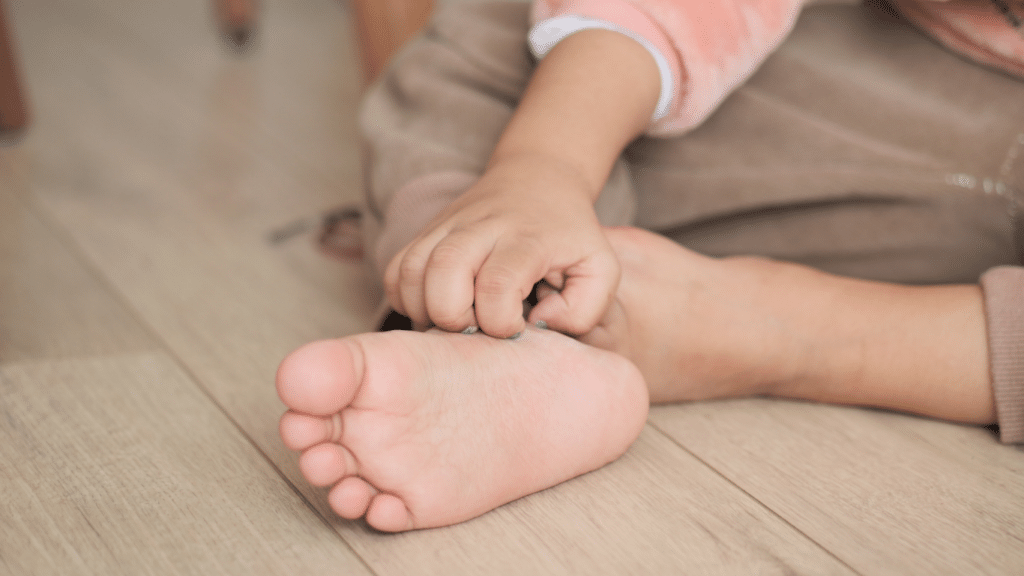
Many children experience heel pain, especially those who are active, growing quickly, or involved in sports. As a parent, seeing your child limp, avoid sports, or complain of heel pain can be concerning. While heel pain in children is often treatable, it’s important not to ignore it, as early intervention can prevent long-term problems.
At LMC Footcare, with locations in Vaughan and Bayview/Midtown Toronto, our footcare specialists (chiropodists) frequently treat heel pain in children of all ages. In this blog, we’ll break down the most common causes of heel pain in kids, how it’s diagnosed, and the treatment options that can help get them back to running and playing comfortably.
Key Takeaways
- Heel pain in children is often caused by Sever’s disease, plantar fasciitis, Achilles tendonitis, or flat feet.
- Early diagnosis prevents chronic pain and helps children stay active.
- Treatments include rest, stretching, proper footwear, ice, and custom orthotics. LMC Foocare specialists (chiropodists) offer personalized assessments and treatments.
- Most children recover quickly with the right footcare plan.
Why Do Children Get Heel Pain?
Children’s feet are still developing, and the bones, growth plates, and soft tissues are more sensitive to overuse and stress. The most common causes of heel pain in kids include:
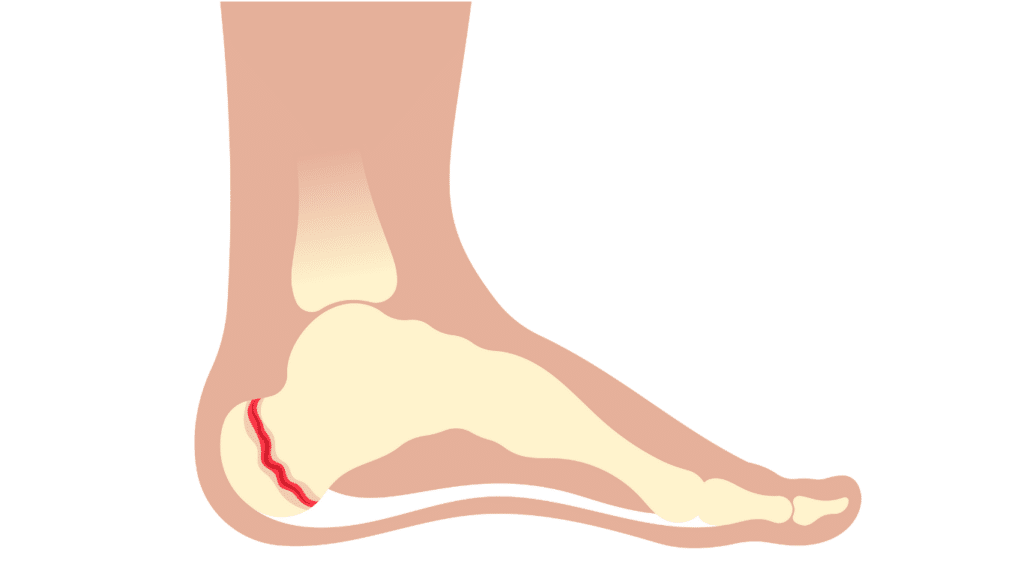
1. Sever’s Disease (Calcaneal Apophysitis)
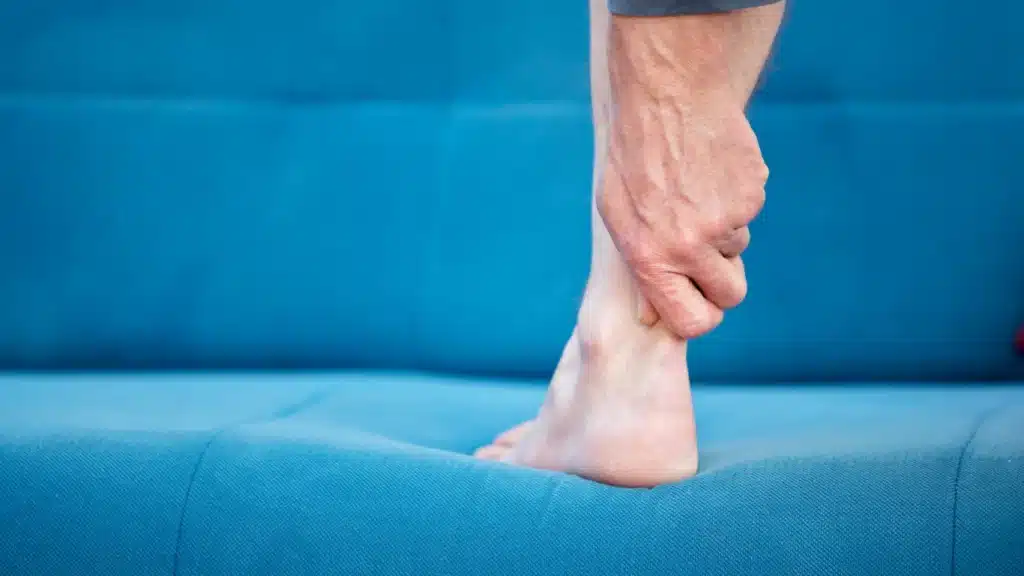
This is the most common cause of heel pain in children, especially between the ages of 8 and 14. Despite the name, it’s not a disease—it’s an inflammation of the growth plate in the heel.
Why does it happen:
- The heel bone grows faster than the surrounding muscles and tendons.
- This creates tension and irritation where the Achilles tendon attaches to the heel.
Common in:
- Active children
- Kids are involved in sports like soccer, basketball, running, and dance
Symptoms:
- Heel pain during or after activity
- Limping
- Walking on toes to avoid heel pressure
Pain when squeezing the sides of the heel
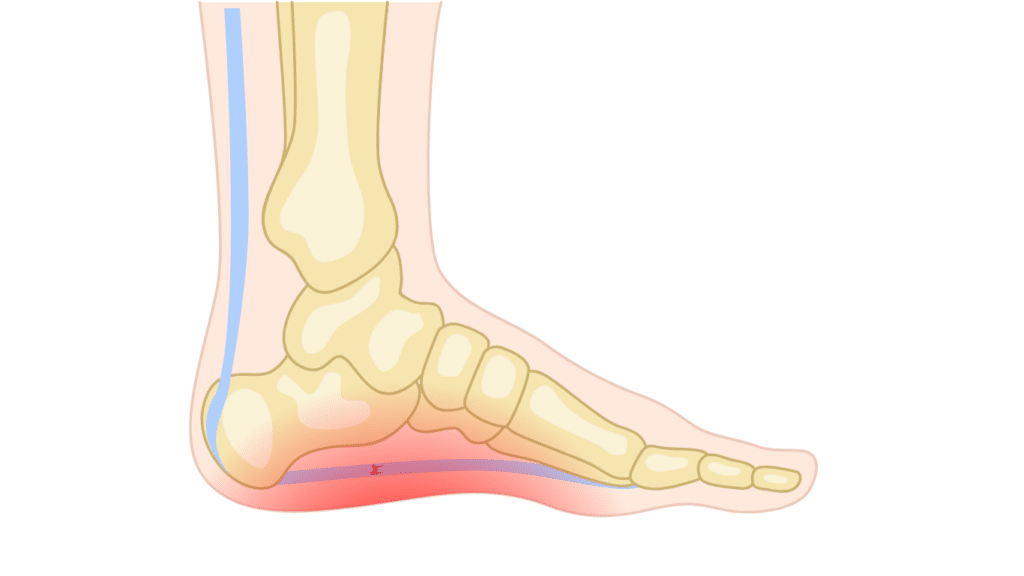
2. Plantar Fasciitis
Although more common in adults, plantar fasciitis can also affect children.
Why does it happen:
- Tight calf muscles
- Poor foot mechanics
- Overuse from sports
- Flat feet or high arches
Symptoms:
- Sharp heel pain in the morning
- Pain after activity
Tenderness along the bottom of the foot
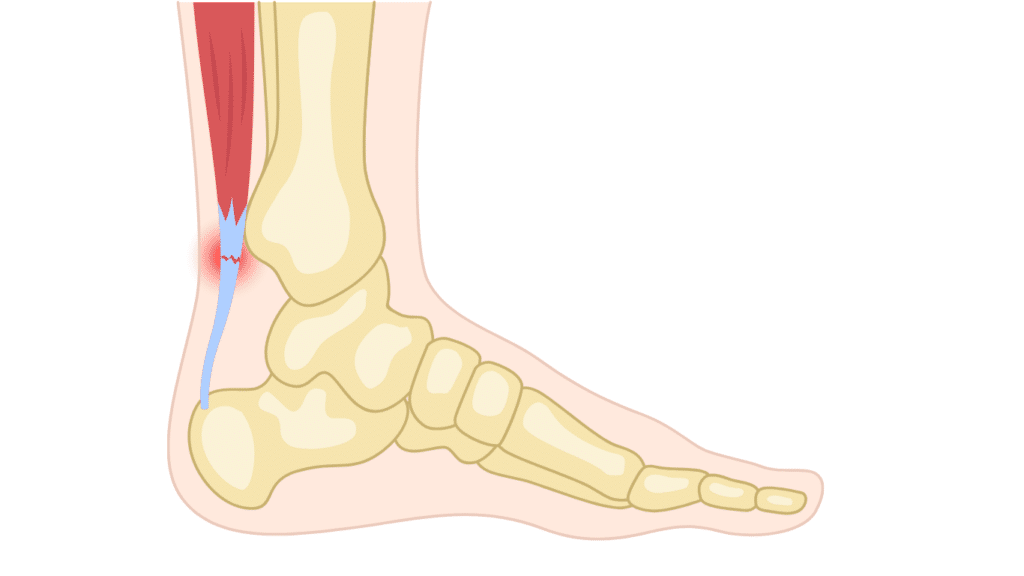
3. Achilles Tendonitis
This occurs when the Achilles tendon becomes inflamed from overuse or tight muscles.
Why does it happen:
- Rapid growth spurts
- Increase in sports intensity
- Poor footwear
- Flat feet
Symptoms:
- Pain at the back of the heel
- Swelling
- Tight calves
- Pain during running or jumping
4. Flat Feet or Overpronation
Children with flat feet often roll their feet inward excessively (overpronation), which puts extra stress on the heel.
Symptoms:
- Heel pain with activity
- Fatigue
- Knee or shin discomfort
- Uneven shoe wear
5. Foot Injury or Strain
Children are active and may injure their heels without realizing it.
Possible causes include:
- Jumping from heights
- Hard landings
- Repetitive strain
Pain often improves with rest but may need assessment if persistent.
How Heel Pain in Children Is Diagnosed
A proper diagnosis is important to rule out fractures, infections, or more serious conditions.
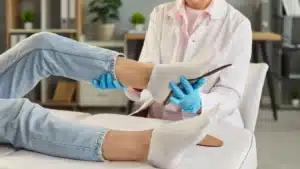
At LMC Footcare, your child’s visit includes:
1. Thorough Assessment
A footcare specialist (chiropodist) will examine:
- Foot posture
- Gait (how your child walks)
- Muscle tightness
- Location of pain
- Footwear
2. Medical History Review
We ask about:
- Sports activity
- Recent growth spurts
- Changes in footwear
- When the pain occurs
3. Imaging (if needed)
Most diagnoses don’t require X-rays, but we may recommend imaging if we suspect:
- Stress fractures
- Severe injury
- Structural abnormalities
Effective Treatment Options for Children’s Heel Pain
Fortunately, most heel pain in children improves with early treatment and simple changes.
1. Rest & Activity Modification
Your child may need to temporarily reduce high-impact activities like running, jumping, or competitive sports.
2. Stretching & Strengthening
Gentle stretches can reduce tension on the heel and Achilles tendon:
- Calf stretches
- Plantar fascia stretches
- Strengthening exercises for the foot muscles
Our specialists will recommend age-appropriate exercises.
3. Proper Footwear
Supportive shoes with:
- Cushioning
- Firm heel counter
- Good arch support
Avoid worn-out or flat shoes.
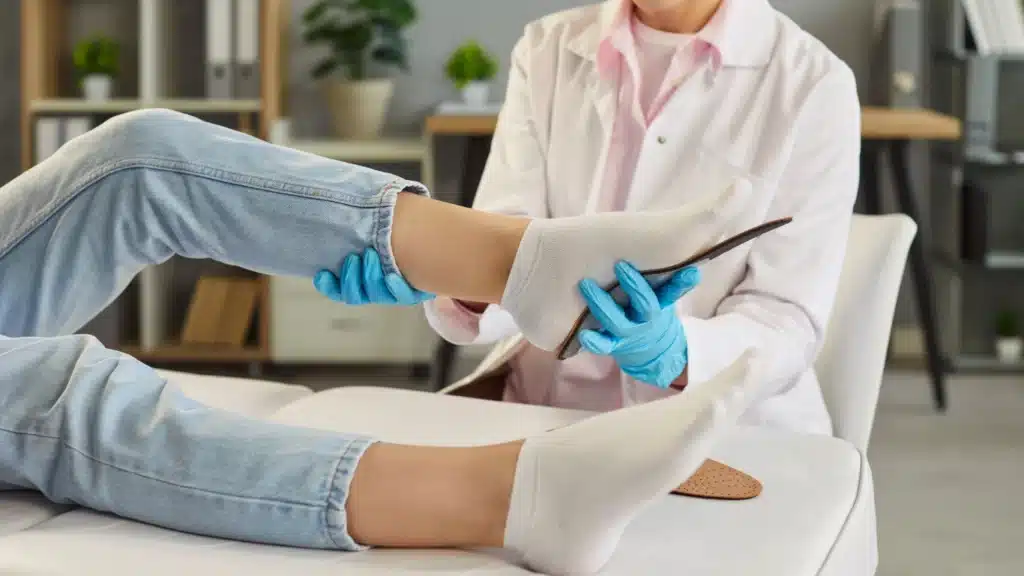
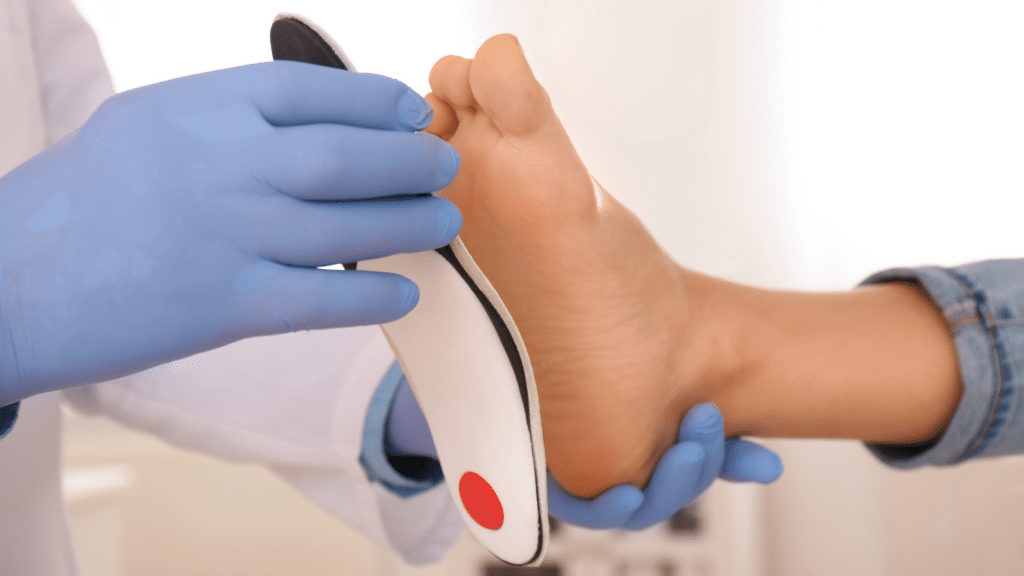
4. Custom Orthotic Inserts
Custom orthotics are one of the most effective solutions for kids with heel pain—especially those with:
- Flat feet
- High arches
- Overpronation
- Chronic heel pain
Orthotics help by:
- Offloading pressure from the heel
- Correcting poor foot mechanics
- Supporting the arch
- Improving alignment
- Reducing strain on the growth plate
At LMC Footcare, we design custom orthotics specifically for growing feet.
5. Heel Cups and Padding
Soft heel cups can help cushion the heel and absorb shock, especially in cases of Sever’s disease.
6. Compression Socks (When Swelling or Strain Is Present)
These can improve circulation and reduce discomfort in active children, particularly if swelling is present.
7. Rarely: Medication or Referral
If inflammation is severe, short-term anti-inflammatories may be recommended (age-appropriate, under medical guidance). Persistent or worsening cases may require referral.
FAQs About Heel Pain in Children
1. Is heel pain in children normal?
Mild heel pain from activity can be common, but persistent or worsening pain should be assessed by a footcare specialist (chiropodist) at LMC Footcare to prevent long-term issues.
2. Can children outgrow heel pain?
Conditions like Sever’s disease often improve as the growth plate closes, but supportive treatment is essential to manage pain and prevent compensatory problems.
3. When should I take my child to a specialist?
Seek care if your child:
- Limps
- Avoids sports
- Walks on their toes
- Has pain lasting more than one week
- Complains of morning heel pain
4. Are custom orthotics safe for children?
Yes. Orthotics can be made specifically for growing feet and are very effective for correcting alignment and reducing heel pain.
5. Can poor footwear cause heel pain?
Absolutely. Shoes with poor support, minimal cushioning, or tight heel counters can increase strain on the heel.
Conclusion
Heel pain can affect your child’s ability to walk, run, and enjoy daily activities. Fortunately, most cases are treatable with early intervention and proper support. At LMC Footcare, our footcare specialists (chiropodists) offer personalized assessments and treatments, including custom orthotics, to help growing feet stay healthy and pain-free.
If your child is struggling with heel pain, book an appointment at our Vaughan or Bayview/Midtown Toronto clinic. We’re here to support their growing steps.
Disclaimer: This article is for informational purposes only and should not replace professional medical advice. Always consult with a healthcare provider before starting any new treatment, especially if you have existing health conditions.