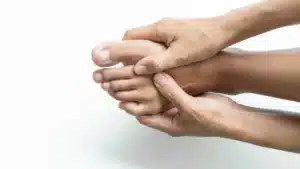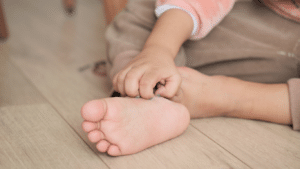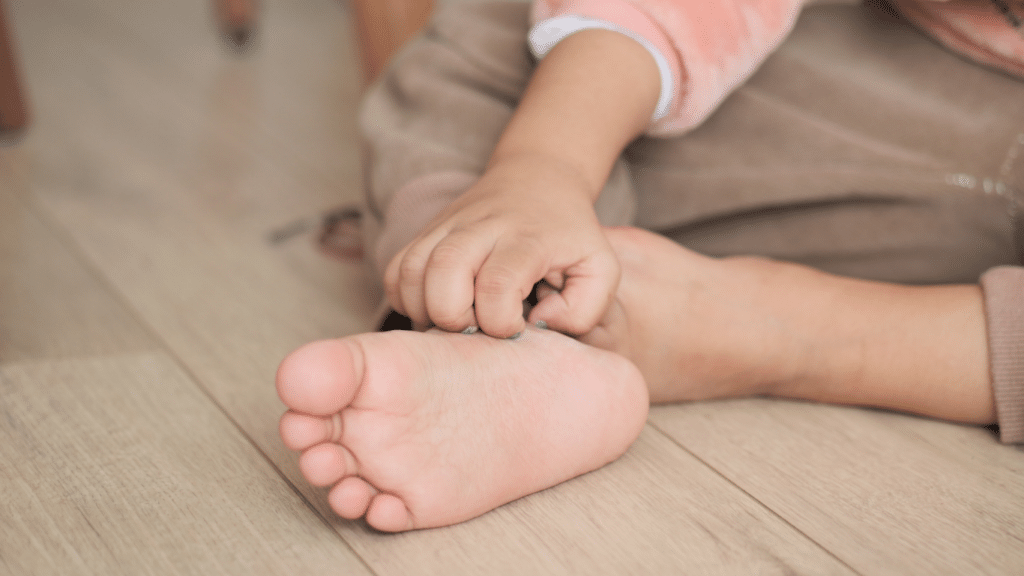


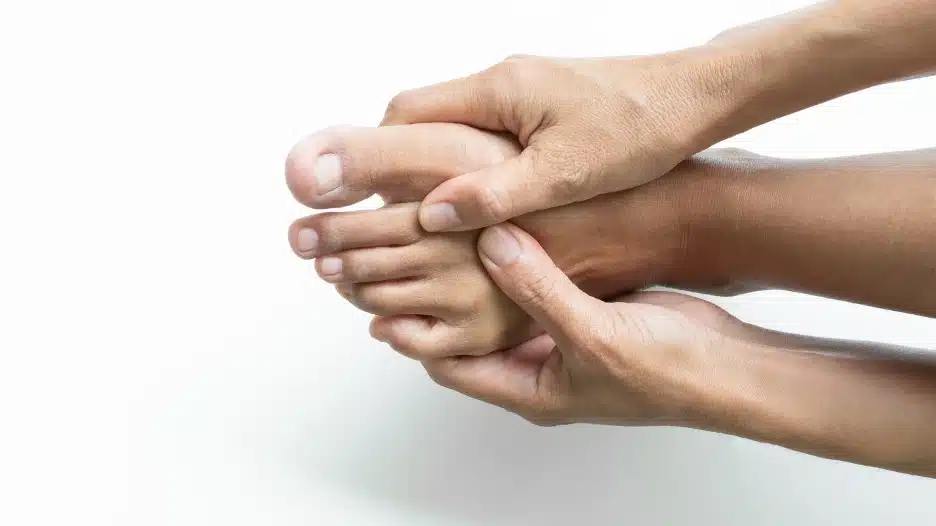
Pain on the bottom of the foot can often be relieved by resting the affected foot, wearing supportive footwear, stretching the calf and plantar fascia, and using custom orthotics to reduce pressure on sensitive areas. In many cases, a combination of these approaches provides significant relief within a few weeks.
If the pain is persistent, worsens with activity, or is accompanied by swelling or numbness, it is important to seek assessment from a foot care professional at LMC Footcare. Early intervention leads to faster recovery and helps prevent the condition from becoming chronic.
What Causes Pain on the Bottom of the Foot?
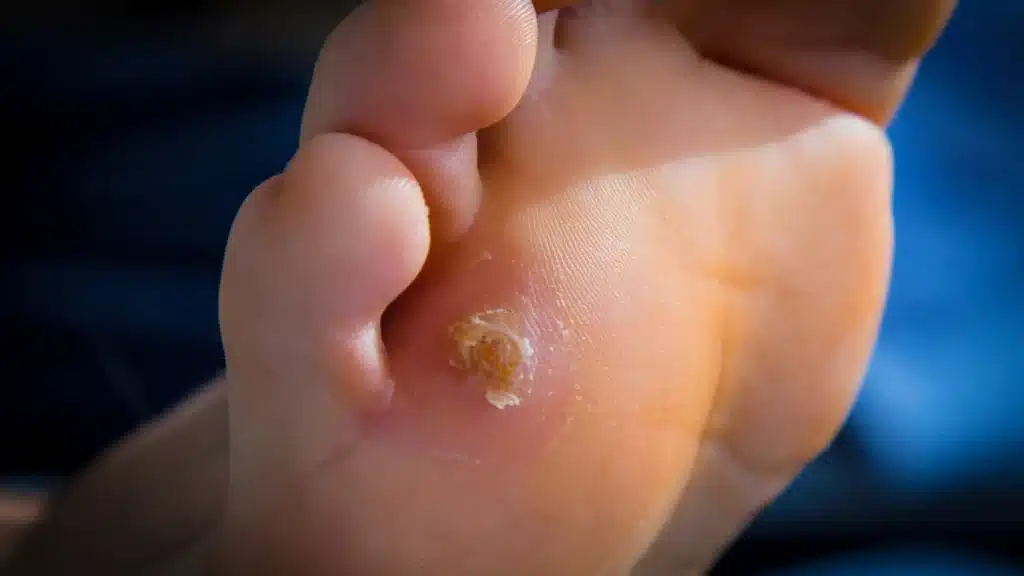
The most common cause of bottom-of-foot pain is plantar fasciitis, a condition where the thick band of tissue running along the arch of the foot becomes inflamed. It typically causes sharp heel pain that is worse with the first steps in the morning. Other causes include metatarsalgia (pain in the ball of the foot), fat pad atrophy, flat feet, nerve irritation such as Morton’s neuroma, and overuse from prolonged standing or high-impact activity.
Understanding the root cause is key to choosing the right treatment. While some conditions respond well to rest and stretching, others require orthotics, specific footwear changes, or professional care to resolve properly.
Rest and Reducing Stress on the Foot
One of the most immediate steps you can take is to reduce activities that place stress on the bottom of the foot. High-impact exercise, prolonged standing on hard floors, and walking barefoot can all aggravate the condition. Giving the foot adequate rest, especially during flare-ups, allows inflamed tissue to begin recovering.
Switching to low-impact activities such as swimming or cycling during recovery can help you stay active without putting further strain on the foot.
Stretching and Exercises for Bottom-of-Foot Pain
Targeted stretching is one of the most effective and evidence-supported approaches to relieving plantar fasciitis and general bottom-of-foot discomfort. Stretching the calf muscles and Achilles tendon reduces tension that transfers down to the plantar fascia. A simple and highly recommended stretch is the seated towel stretch: loop a towel around the ball of your foot and gently pull it toward you while keeping your knee straight, holding for 30 seconds and repeating several times.
Rolling a tennis ball or massage ball slowly under the arch and heel for a few minutes each day also helps loosen tight tissue and improve circulation to the area. Performing these stretches before getting out of bed in the morning, when plantar fasciitis pain is often at its worst, can make a noticeable difference.
Footwear plays a major role in both causing and relieving bottom-of-foot pain. Shoes that are flat, worn down, or lack arch support force the foot to absorb more impact and can worsen conditions like plantar fasciitis over time. Switching to shoes with firm heel counters, cushioned midsoles do not offer support. Rocker soles, firm midsoles and proper arch support are needed.
Performing proper stretches before getting out of bed and placing supportive indoor sandals or slippers near the bed are recommended.
Custom Orthotics for Reducing Pain
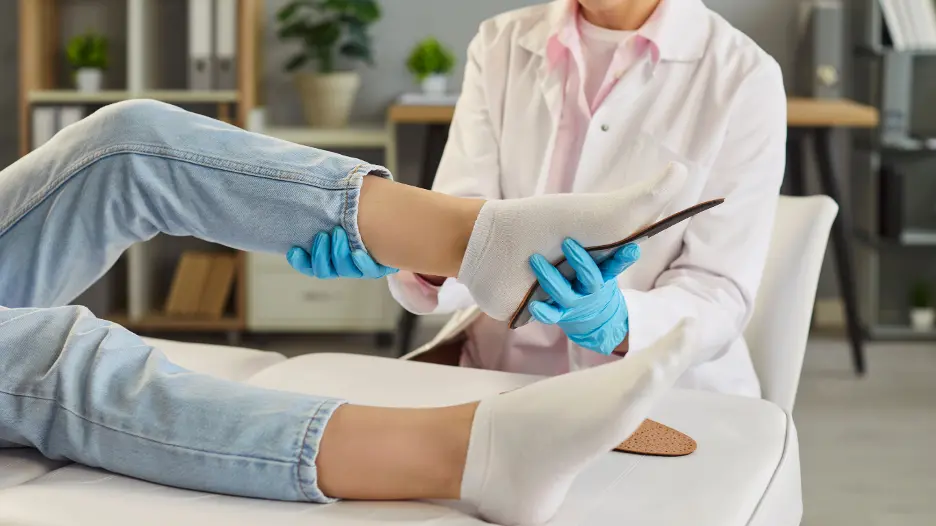
For many people, over-the-counter insoles provide only temporary comfort because they are not designed to address the specific structural issues of an individual’s foot. Custom orthotics, prescribed and fitted by a foot care professional, are crafted from a mold or digital scan of your foot to provide targeted support exactly where it is needed.
Custom orthotics can redistribute pressure away from painful areas, correct gait imbalances that contribute to bottom-of-foot pain, and help prevent the condition from returning. They are particularly effective for plantar fasciitis, flat feet, heel spurs, and metatarsalgia, and are often a recommended component of a longer-term treatment plan.
At LMC Footcare, our Chiropodists and Canadian Certified Pedorthists provide custom foot orthotic assessments and fittings tailored to your specific foot structure and lifestyle.
Over-the-counter non-steroidal anti-inflammatory medications (NSAIDs) such as ibuprofen or naproxen can help reduce pain and swelling when used short-term as directed. These are most helpful during acute flare-ups and should not be relied on as a long-term solution without addressing the underlying cause of the pain.
Some people find relief through contrast foot soaks, alternating warm and cool water, to help reduce swelling and improve circulation. Always consult a healthcare provider before starting any medication, particularly if you have pre-existing conditions.
Professional Treatments Available for Bottom-of-Foot Pain
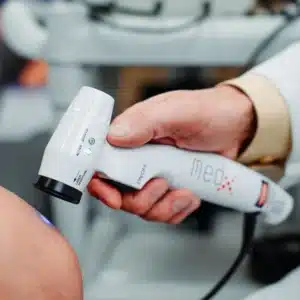
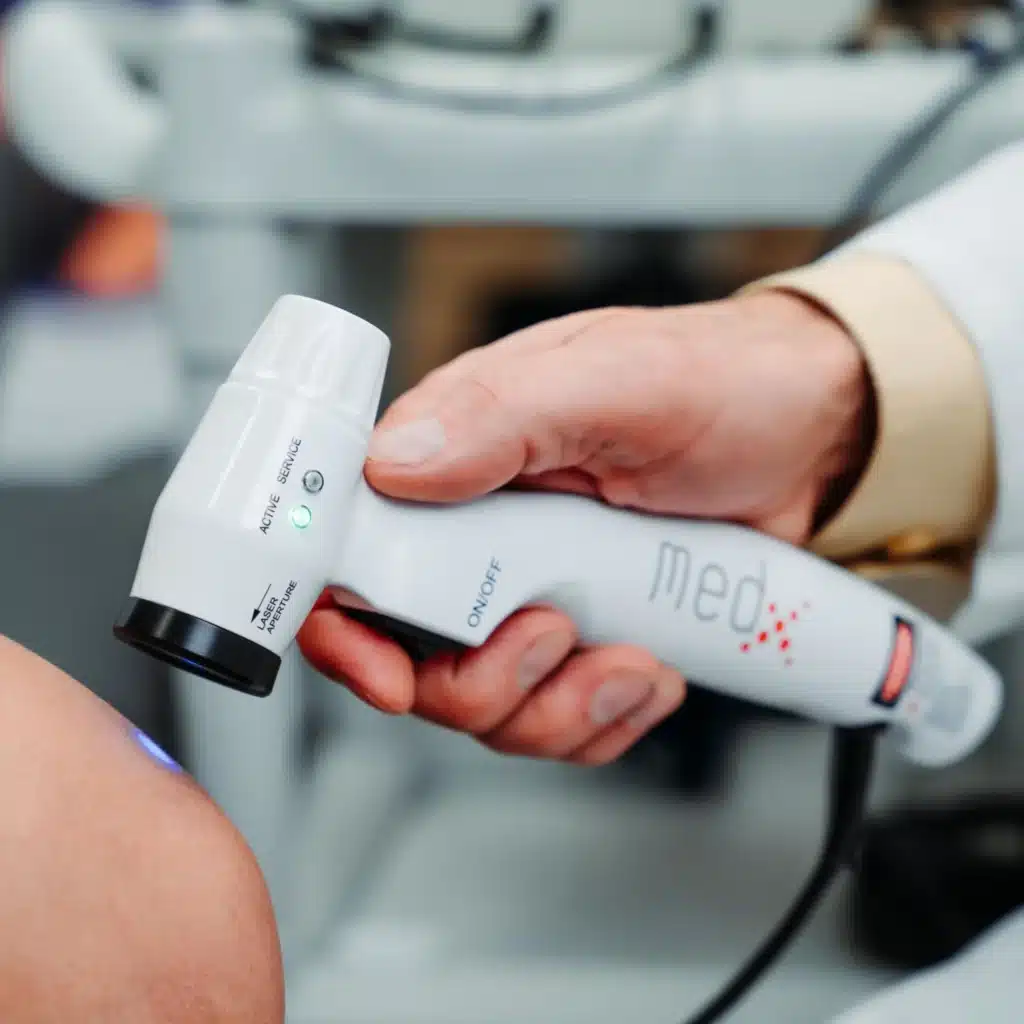
When home remedies provide limited relief, professional foot care treatments can offer more targeted results. Shockwave therapy uses acoustic waves to stimulate the body’s healing response in the plantar fascia and is an effective option for chronic plantar fasciitis. Laser therapy is increasingly used for foot pain because it reduces inflammation and accelerates tissue repair at a cellular level, with no downtime required.
Corticosteroid injections can provide significant short-term pain relief for severe cases by directly reducing inflammation in the affected area. Physical therapy and gait retraining help address biomechanical factors contributing to the problem. A chiropodist and Canadian Certified Pedorthist can assess your foot mechanics, determine the specific cause of your pain, and recommend the most appropriate treatment pathway for your situation.
When Should You See a Foot Care Professional?
You should seek a professional assessment if the pain has persisted for more than two to four weeks, is getting worse despite home care, is affecting your ability to walk or stand comfortably, or is accompanied by swelling, bruising, numbness, or tingling. Pain that radiates up the leg or that appears suddenly after an injury also warrants prompt evaluation.
Early treatment generally leads to faster and more complete recovery. Delaying care often allows compensatory movement patterns to develop, which can create additional problems in the knees, hips, and lower back over time.
LMC Footcare has 8 clinics across Ontario, including Vaughan and Midtown Toronto (Bayview), offering comprehensive foot assessments, custom orthotics, and a range of advanced treatment options for bottom-of-foot pain. Whether you are dealing with heel pain, arch discomfort, or pain in the ball of your foot, our team is here to help you. Book an appointment at your nearest LMC Footcare location today.
Q1: What is the most common cause of pain on the bottom of the foot? The most common cause of pain on the bottom of the foot is plantar fasciitis, a condition where the band of tissue connecting the heel to the toes becomes inflamed. It typically causes sharp heel pain that is worst with the first few steps in the morning or after periods of rest.
Q2: How do I know if my bottom-of-foot pain is serious? Bottom-of-foot pain may be serious if it persists for more than two to four weeks, worsens despite rest and home care, or is accompanied by significant swelling, bruising, numbness, or tingling. Pain that affects your ability to walk normally or that follows an injury should be assessed by a foot care professional as soon as possible.
Q3: Can the wrong footwear cause pain on the bottom of the foot? Yes, footwear is one of the leading contributors to bottom-of-foot pain. Shoes that are flat, worn out, or lack proper arch support force the foot to absorb excess impact and can strain the plantar fascia over time. Switching to supportive footwear with supportive midsoles and a firm heel rocker sole, correct length and width for your foot can significantly reduce discomfort.
Q4: Do custom orthotics help with bottom-of-foot pain? Custom orthotics are highly effective for many types of bottom-of-foot pain, including plantar fasciitis, flat feet, heel spurs, and metatarsalgia. Unlike over-the-counter insoles, custom orthotics are molded to the specific shape of your foot and designed to redistribute pressure, correct gait imbalances, and provide support exactly where it is needed.
Q5: How long does it take for bottom-of-foot pain to go away? Recovery time depends on the cause and severity of the condition. Mild cases of plantar fasciitis can improve within a few weeks with consistent stretching, rest, and proper footwear. More persistent or severe cases may take several months and often benefit from professional treatments such as custom orthotics, shockwave therapy, or laser therapy to fully resolve.
Q7: Is it okay to walk on a painful foot? Light walking on a painful foot is generally acceptable, but high-impact activity, prolonged standing, or walking barefoot on hard surfaces can worsen the condition. It is important to wear supportive footwear at all times during recovery and to avoid pushing through sharp or worsening pain, which can delay healing and increase the risk of a more serious injury.
Q8: When should I see a chiropodist for bottom-of-foot pain? You should see a chiropodist or Canadian Certified Pedorthist if your foot pain has lasted more than two to four weeks, is not improving with home care, is affecting your daily activities, or is accompanied by swelling, numbness, or changes in the appearance of your foot. A chiropodist at LMC Footcare can determine the underlying cause of your pain and recommend the most appropriate treatment, which may include custom orthotics, physical therapy, or advanced in-clinic treatments.