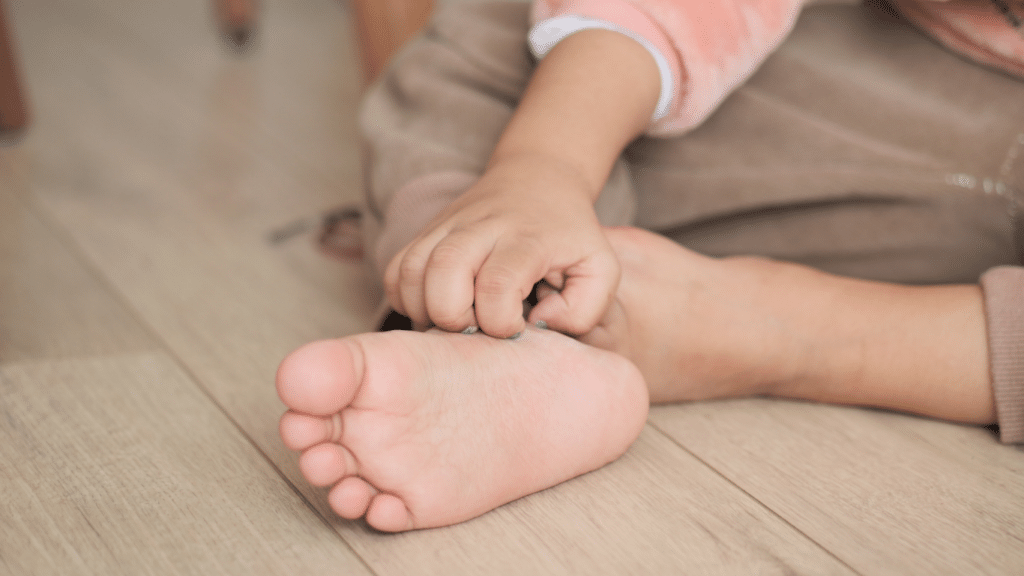


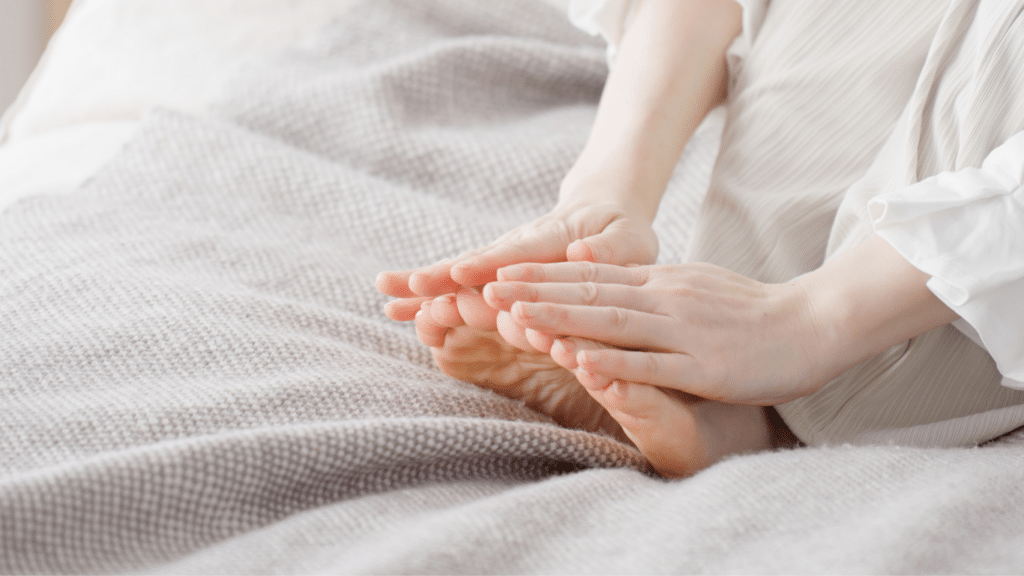
Cold feet are a common complaint during colder months or after long periods of sitting or inactivity. But while cold feet can seem like a simple annoyance, they may be signalling something deeper about your circulation or foot health. One question many people ask is whether compression socks can help warm their feet or improve comfort.
At LMC Footcare, with clinics in Vaughan and Bayview/Midtown Toronto, our footcare specialists (chiropodists) often recommend compression socks for a wide range of conditions, from swelling and varicose veins to circulation issues. But are they right for cold feet? The answer depends on the underlying cause.
This blog breaks down why your feet might feel cold, when compression socks can help, and when they may not be the best solution.
Key Takeaways
- Cold feet can signal circulation issues, nerve problems, temperature sensitivity, or improper footwear.
- Compression socks help warm feet when coldness is caused by mild circulation issues.
- They are not recommended for Raynaud’s, neuropathy, or severe artery problems unless medically approved.
- Proper sizing and compression level are essential for safe use.
- A footcare specialist (chiropodist) at LMC Footcare can help determine whether compression socks are right for you.
Why Do Feet Get Cold?
Cold feet happen when blood flow to the toes decreases or the nerves in your feet become overly sensitive. Several common causes include:
1. Poor Circulation
Cold feet often occur when the blood vessels in the feet constrict, reducing warm blood flow. This can be caused by:
- Sitting for long periods
- Standing still for extended time
- Certain medical conditions
- Smoking
- Sedentary lifestyle
2. Raynaud’s Phenomenon
A condition where the small blood vessels in the fingers and toes overreact to cold temperatures or stress. This causes:
- Very cold toes
- Colour changes (white, blue, red)
- Numbness or tingling
3. Peripheral Neuropathy
Nerve damage, often linked to diabetes, can make the feet feel cold even if they’re warm to the touch.
4. Low Thyroid or Hormonal Imbalance
The thyroid controls many metabolic processes. If it slows down, cold extremities are common.
5. Footwear Issues
Shoes that are too tight, too narrow, or lack insulation can restrict blood flow and cause cold toes.
Understanding the reason behind your cold feet helps determine whether compression socks will help or make symptoms worse.
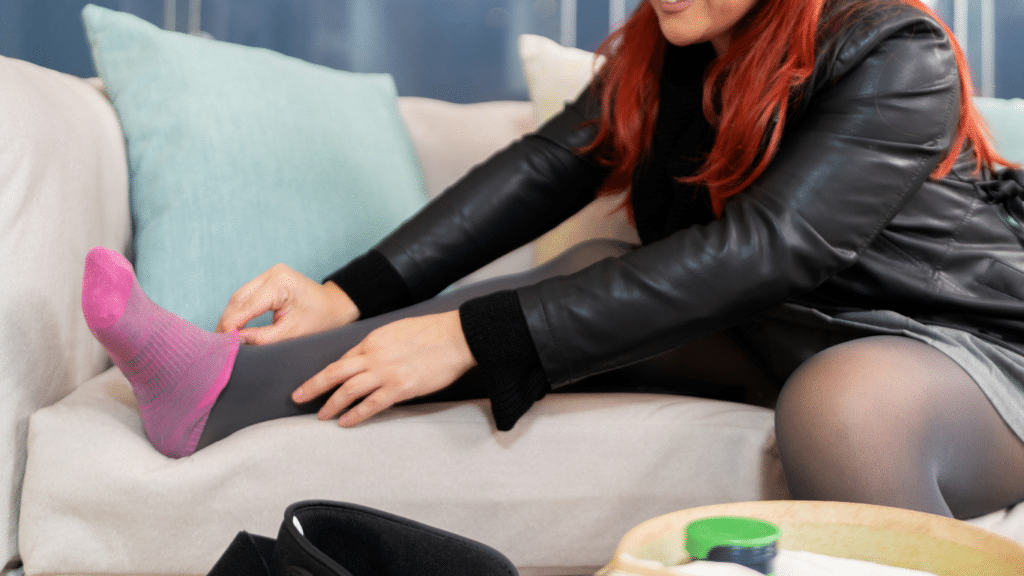
Can Compression Socks Help With Cold Feet?
The short answer: Sometimes yes, sometimes no.
It depends on the cause of your cold feet.
Compression Socks Can Help if Cold Feet Are Caused By Poor Circulation
Compression socks work by applying gentle, graduated pressure that helps push blood upward from the legs toward the heart. This improves circulation, which can help warm the feet for people experiencing cold toes due to:
- Poor circulation
- Prolonged sitting or standing
- Mild venous insufficiency
- Swelling
- Post-exercise fatigue
When blood flow improves, feet receive more oxygen and warmth, reducing the cold sensation.
They May Help People With Varicose Veins or Swelling
People who have conditions below often benefit from compression socks, and warming of the feet is a welcome side-effect:
- Varicose veins
- Spider veins
- Leg swelling (edema)
- Long commutes or flights
When to Avoid Compression Socks?
While compression socks are generally safe, they’re not suitable for everyone. According to medical guidelines, you should consult your doctor before wearing compression socks if you have:
• Severe peripheral artery disease (PAD): When arteries are already significantly narrowed, external pressure could further restrict blood flow to the legs
• Severe heart failure: Increased venous return from compression could overwhelm an already struggling heart
• Peripheral neuropathy with sensory loss: If you can’t feel excessive pressure or tightness, you risk unnoticed skin damage
• Skin conditions or infections: Cellulitis, eczema, open wounds, or gangrene on the legs
• Diabetes with complications: While mild compression (15-20 mmHg) has been shown safe for some diabetic patients, always get clearance from your healthcare provider first
Important: If you have mild-to-moderate PAD, studies have shown that compression stockings can still be used safely under medical supervision, particularly those designed specifically for patients with arterial concerns. However, this requires proper assessment and monitoring by a vascular specialist.
Benefits of Wearing Compression Socks for Cold Feet (When Appropriate)
When cold feet are linked to mild circulation issues, compression socks offer several benefits:
1. Better Blood Flow
Improves warmth by moving oxygen-rich blood into the feet.
2. Reduced Swelling
Keeps fluid from pooling in the lower legs—common for people who sit or stand all day.
3. Less Fatigue and Aching
Compression supports the muscles and veins, reducing that heavy-leg feeling.
4. Improved Comfort During Travel
Compression socks help prevent DVT and swelling on long flights, often helping keep toes warmer too.
At LMC Footcare, we carry a range of medical-grade compression socks and help patients choose the right level of compression and sizing for safe, effective relief.
Other Ways to Warm Up Cold Feet
Whether or not compression socks are the right choice, the following methods can help:
- Wear insulated, breathable socks
- Keep feet dry
- Choose shoes with a roomier toe box
- Stretch your calves to improve blood flow
- Take walking breaks if you sit often
- Use a heating pad or a warm foot bath
- Get custom orthotics if foot mechanics are contributing to reduced circulation
FAQs About Compression Socks and Cold Feet
1. Will compression socks make cold feet warmer?
They can, but only if cold feet are caused by poor circulation. They won’t help with Raynaud’s or neuropathy.
2. How do I know if compression socks are safe for me?
A footcare specialist (chiropodist) at LMC Footcare can assess your circulation, foot sensitivity, and general health to determine whether compression socks are appropriate.
3. What compression level is best for cold feet?
Most people benefit from 15–20 mmHg or 20–30 mmHg, but the right level depends on your condition.
4. Can I sleep in compression socks if my feet are cold at night?
Generally, it’s not recommended unless advised by a healthcare provider. Instead, try warm socks or heated blankets.
5. Should I get compression socks or warm thermal socks?
If your cold feet are from circulation issues, compression socks are helpful. If it’s due to temperature sensitivity alone, thermal socks are better.
Conclusion
If circulation is the underlying issue of cold feet, compression socks can be incredibly helpful. However, they’re not a universal solution. Understanding the cause of your cold toes is the first step toward finding effective relief.
At LMC Footcare, our footcare specialists (chiropodists) can assess your symptoms, determine what’s causing your cold feet, and help you choose the right compression socks or alternative treatments to keep your feet healthy and warm.
If cold feet are affecting your daily comfort, we’re here to help. Visit us in Vaughan or Bayview/Midtown Toronto for a full assessment.
Disclaimer: This article is for informational purposes only and should not replace professional medical advice. Always consult with a healthcare provider before starting any new treatment, especially if you have existing health conditions.