

(Understanding Neuromas, Metatarsalgia, and How Orthotic Inserts Can Help)
If you’ve ever felt a sharp, burning, or “pinching” sensation in your toes that makes every step uncomfortable, you’re not alone. Many people experience this type of pain, especially when walking or wearing certain shoes. While it may be easy to dismiss it as tight footwear or fatigue, persistent toe pain could be a sign of an underlying condition, such as a neuroma or metatarsalgia.
At LMC Footcare, with locations in Vaughan and Bayview/Midtown Toronto, our footcare specialists (chiropodists) often see patients experiencing these exact symptoms. In this blog, we’ll explain what causes that pinching or burning feeling in your toes, how neuromas and metatarsalgia play a role, and how custom orthotic inserts can relieve pressure and help you walk comfortably again.
Key Takeaways
- A pinching or burning sensation in your toes may be caused by Morton’s neuroma or metatarsalgia.
- These conditions result from nerve compression or inflammation in the ball of the foot.
- Custom orthotic inserts help offload pressure, support alignment, and cushion sensitive areas to relieve pain and prevent recurrence.
- Early diagnosis and proper footwear can make a major difference in managing symptoms effectively.
- Persistent pain should always be assessed by a footcare specialist (chiropodist) to prevent long-term complications.
What Is That Pinching Feeling in Your Toes?
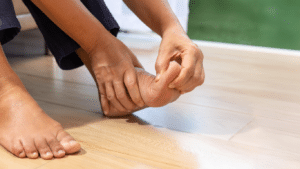
That tight, pinching, or tingling feeling in the toes often happens when a nerve in your foot becomes compressed or irritated. Sometimes, it feels like there’s a small pebble or fold in your sock under the ball of your foot. The most common reasons behind this sensation include Morton’s neuroma or metatarsalgia, both of which cause nerve and tissue irritation in the forefoot.
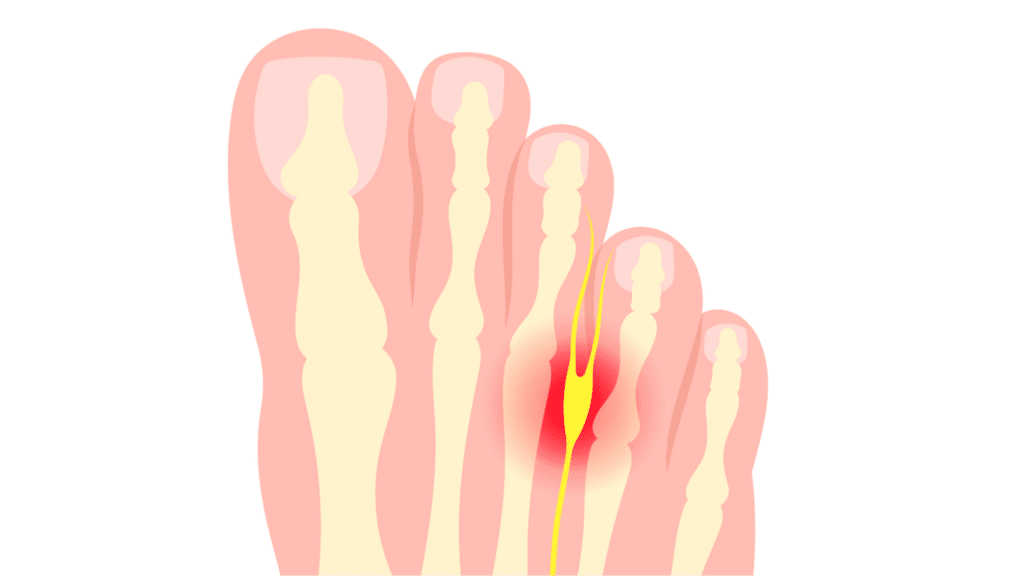
1. Morton’s Neuroma: When a Nerve Gets Trapped
Morton’s neuroma is a painful condition caused by the thickening or irritation of the nerve that runs between the toes, most commonly between the third and fourth toes. When this nerve is compressed, it can lead to inflammation and a sensation of burning, numbness, or a sharp, pinching pain in the toes or ball of the foot.
Common Causes of Morton’s Neuroma:
- Wearing tight or narrow shoes that squeeze the toes
- High heels that put pressure on the front of the foot
- Foot deformities like bunions or flat feet
- Repetitive stress or impact from running and jumping
Symptoms to Watch For:
- Burning or tingling sensation in the toes
- Feeling like you’re standing on a small rock or marble
- Numbness or pain radiating from the ball of the foot to the toes
- Pain that worsens with activity or tight shoes
Without treatment, a neuroma can worsen over time, leading to chronic discomfort and difficulty walking.
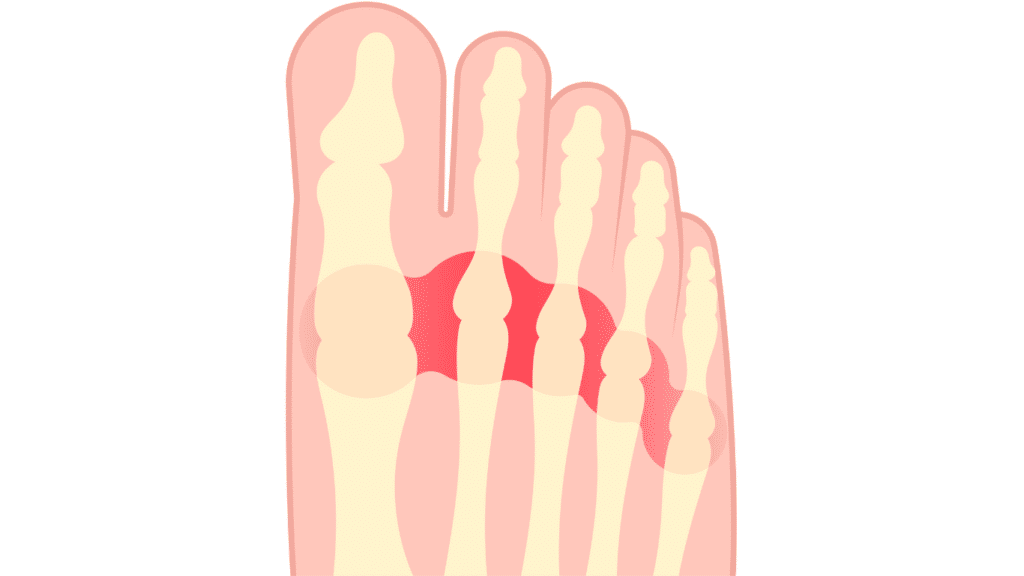
2. Metatarsalgia: Pressure and Pain in the Ball of the Foot
Metatarsalgia refers to pain and inflammation in the ball of the foot (the area just behind your toes). It often develops when too much pressure is placed on the metatarsal bones, the long bones in your forefoot that help bear your body’s weight during walking or running.
Common Causes of Metatarsalgia:
- High-impact sports or repetitive stress on the feet
- Footwear with little cushioning or arch support
- High arches or other structural imbalances in the foot
- Excess body weight places more pressure on the forefoot
- Certain foot conditions, like hammertoes or bunions
Symptoms of Metatarsalgia:
- Sharp, aching, or burning pain in the ball of the foot
- A sensation of “pins and needles” or numbness in the toes
- Pain that worsens when standing, walking, or running
- A feeling like there’s an object stuck under the ball of the foot
3. How Orthotic Inserts Help Relieve Toe and Forefoot Pain
Whether you’re dealing with a neuroma or metatarsalgia, one of the most effective ways to relieve pain is through custom orthotic inserts. These specially designed insoles help offload pressure from sensitive areas, support proper foot alignment, and improve overall comfort.
Here’s how orthotic inserts can help:
a. Offloading Pressure
Custom orthotics are designed to redistribute pressure away from painful areas, such as the ball of the foot or affected nerves. For example, orthotics for Morton’s neuroma include a small metatarsal pad, which lifts and separates the metatarsal bones, reducing compression on the irritated nerve.
b. Restoring Proper Foot Alignment
When your foot alignment is off, due to flat feet, high arches, or improper footwear, it can lead to uneven pressure across the forefoot. Orthotic inserts provide customized arch support to restore balance, allowing your weight to be evenly distributed and reducing strain on the metatarsals.
c. Cushioning and Shock Absorption
Orthotics offer added cushioning under the ball of the foot, absorbing shock with each step. This not only eases pain but also helps prevent further inflammation and irritation of the nerves and soft tissues.
d. Long-Term Prevention
Beyond providing relief, orthotics also prevent recurrence by correcting biomechanical imbalances. When your foot is properly supported, the risk of developing nerve compression or forefoot inflammation in the future decreases significantly.
4. Other Treatment Tips to Manage the Pinching Sensation
While custom orthotics are one of the best long-term solutions, incorporating a few simple changes to your routine can enhance comfort and speed up recovery:
- Choose proper footwear: Opt for shoes with a wide toe box, low heels, and good cushioning. Avoid narrow or pointed shoes that squeeze the toes.
- Take breaks from high-impact activity: If you’re a runner or play sports, give your feet time to rest and recover.
- Use ice therapy: Applying ice for 10–15 minutes a few times a day can help reduce inflammation.
- Stretch your feet and calves: Gentle stretches can help relieve tightness in the forefoot and improve flexibility.
- Maintain a healthy weight: Reducing excess pressure on your feet can minimize the strain on your metatarsal region.
If pain persists despite these measures, a footcare specialist (chiropodist) at LMC Footcare can assess your condition and recommend a personalized treatment plan, which may include orthotics or other therapies.
FAQs About Neuromas, Metatarsalgia, and Orthotic Inserts
1. How do I know if my toe pain is from a neuroma or metatarsalgia?
Both conditions cause pain in the forefoot, but neuromas typically produce a burning, tingling, or “electric shock” sensation between the toes, while metatarsalgia causes more general aching or pressure in the ball of the foot. A footcare specialist (chiropodist) at LMC Footcare can perform a thorough examination to determine the cause.
2. Can orthotics completely cure a neuroma?
Orthotics don’t remove the neuroma, but they alleviate pressure on the affected nerve, which can significantly reduce or even eliminate pain. With early intervention and proper footwear, most people experience long-term relief without surgery.
3. How long will it take to feel relief with custom orthotics?
Many patients notice improvement within a few days to a couple of weeks of consistent use. However, for chronic conditions, full relief may not be possible.
4. Are custom orthotics worth it compared to store-bought inserts?
Yes. Over-the-counter inserts are general in design, while custom orthotics are made specifically for your foot shape and condition. They address the root cause of the pain rather than just masking symptoms.
5. Can high heels or tight shoes cause a neuroma?
Yes, footwear that compresses the toes or puts pressure on the ball of the foot is one of the most common causes of Morton’s neuroma. Switching to wider, supportive shoes and using orthotics can prevent the condition from worsening.
Conclusion
That pinching sensation in your toes isn’t something to ignore, especially if it’s starting to interfere with your daily activities. Whether caused by a neuroma, metatarsalgia, or poor foot mechanics, relief is possible with the right treatment.
At LMC Footcare, our footcare specialists (chiropodists) can assess your symptoms, identify the root cause, and create custom orthotic inserts tailored to your needs. By offloading pressure and supporting proper alignment, we can help you take every step comfortably again.
If you’re experiencing persistent toe pain, visit us in Vaughan or Bayview/Midtown Toronto to learn more about orthotic solutions and personalized footcare options.
Disclaimer: This article is for informational purposes only and should not replace professional medical advice. Always consult with a healthcare provider before starting any new treatment, especially if you have existing health conditions.