

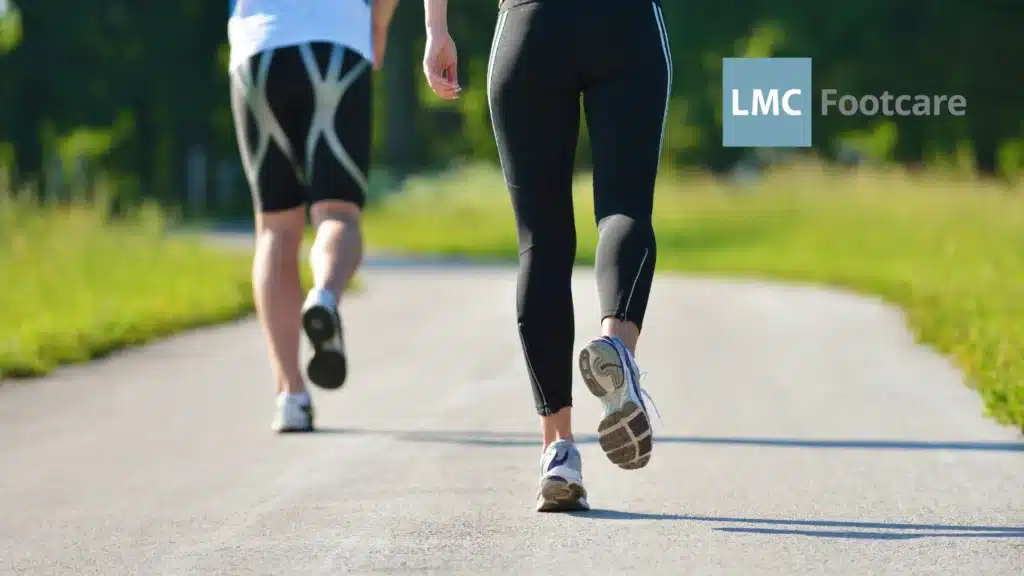
Not every runner needs custom orthotics, but they make a significant difference for those with biomechanical issues such as overpronation, flat feet, or high arches, and for runners experiencing recurring pain or injury. Ontario’s varied terrain and seasonal conditions add extra demand on the feet, making proper support even more important for regular runners. At LMC Footcare, our registered chiropodists and Canadian Certified Pedorthists across Ontario — including Toronto and Vaughan — assess running gait to determine whether custom orthotics are right for you.
Do All Runners Need Custom Orthotics?
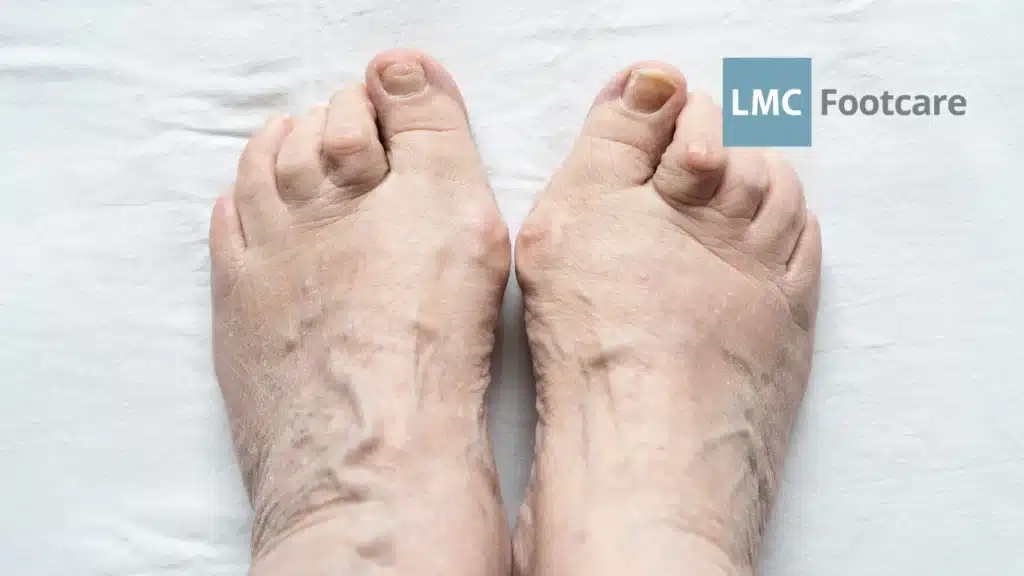
No. Runners with neutral foot mechanics, no history of recurring injury, and properly fitted running shoes often do not require custom orthotics. Orthotics become beneficial when a runner has a biomechanical imbalance, such as overpronation, supination, flat feet, or high arches, that places uneven stress on the foot and lower limb during the repetitive impact of running. The best way to determine your individual need is through a biomechanical gait assessment.
How Do I Know if I Need Orthotics for Running?
Signs that custom orthotics may benefit your running include recurring pain in the feet, knees, hips, or lower back that develops with mileage, visible wear patterns on one side of your running shoes, a history of stress fractures or shin splints, or known flat feet or high arches. If you experience these patterns consistently, a gait assessment can identify whether a biomechanical issue is contributing and whether orthotics would help correct it.
Does Running in Ontario Winters Increase the Need for Orthotic Support?
Yes, for many runners. Winter running in Ontario introduces icy, uneven, and compacted snow surfaces that change how the foot strikes the ground and increase the risk of compensatory movement patterns and falls. Maintaining proper foot alignment and stability becomes more important under these conditions, particularly for runners who continue training through the colder months. Custom orthotics, combined with appropriate winter running footwear, help maintain consistent support even as underfoot conditions change.
Can Custom Orthotics Help Prevent Running Injuries?
Yes, particularly for runners whose injuries stem from biomechanical imbalances. Custom orthotics correct alignment issues such as overpronation or excessive supination that place uneven stress on the foot, ankle, and knee with every stride. Over the thousands of repetitive impacts involved in regular running, even small misalignments can accumulate into significant strain. By addressing the root mechanical cause, orthotics can reduce the risk of conditions such as plantar fasciitis, shin splints, and runner’s knee.
What Type of Orthotic Is Best for Running?
The exact design of running-specific orthotics depends on the runner’s foot structure, gait pattern, typical mileage, and the type of running shoe being used. A biomechanical assessment that includes gait analysis during running, not just standing, provides the most accurate basis for prescription.
Can I Use the Same Orthotics for Running and Everyday Shoes?
It depends on the orthotic design and the type of footwear involved. Running shoes typically have a different volume and structure than casual or dress shoes, which can affect how an orthotic fits and functions. Many runners benefit from a running-specific orthotic for their athletic shoes, while using a different design for daily footwear. A Canadian Certified Pedorthist can advise on whether one device will work across your different shoe types or whether multiple pairs are recommended.
How Often Should Runners Replace Their Orthotics
Running places significant repetitive stress on orthotics, so runners often need to replace their devices more frequently than people using orthotics primarily for walking, typically every one to three years depending on weekly mileage and body weight. Signs that running orthotics need replacing include visible compression or wear of the support material, a return of symptoms that had previously resolved, or noticeable changes in how the device feels underfoot.
Should New Runners in Ontario Get a Gait Assessment Before Starting?
A gait assessment is a valuable step for new runners, particularly those planning to train regularly through Ontario’s varied seasons and terrain. Identifying biomechanical tendencies before significant mileage builds up allows potential issues to be addressed proactively rather than after an injury develops. While not every new runner will need custom orthotics, an assessment provides clarity on footwear needs and whether additional support would benefit your specific running goals.
Frequently Asked Question
Q: Will custom orthotics make me run faster?
Custom orthotics are not designed or intended to improve running speed or performance directly. Their primary purpose is to correct biomechanical imbalances, reduce injury risk, and improve comfort during running. Some runners do report feeling more efficient or experiencing less fatigue once a biomechanical issue is corrected, but performance enhancement is a secondary effect rather than the main goal of orthotic therapy.
Q: Can I run trails and roads with the same orthotics?
In many cases, a single pair of running orthotics can be used across both trail and road running, provided the orthotic is compatible with the footwear used for each surface. However, trail running shoes and road running shoes often differ significantly in structure, so a Canadian Certified Pedorthist should confirm that your orthotic fits and performs correctly in both shoe types.
Q: Should I switch to different orthotics for winter running in Ontario?
Most running orthotics can be used in winter running shoes designed for cold and icy conditions, provided there is adequate volume in the shoe to accommodate the device. If you are using significantly different footwear for winter training, such as trail or stability shoes with traction features, it is worth confirming that your orthotics fit and function properly within that footwear.
Q: How long does it take to adjust to running in new orthotics?
Most runners need a gradual break-in period of four to six weeks when introducing new orthotics, starting with shorter, easier runs and progressively increasing distance and intensity as the body adapts. Jumping into high-mileage training with new orthotics too quickly increases the risk of temporary discomfort. A chiropodist or Canadian Certified Pedorthist can help structure an appropriate break-in plan based on your training schedule.
Q: Where can Ontario runners get a gait assessment for custom orthotics?
LMC Footcare offers running gait assessments at clinic locations across Ontario, including Toronto and Vaughan. Our team evaluates your running mechanics, training surfaces, and any history of pain or injury to determine whether custom orthotics would benefit your training. Book an assessment at lmcfootcare.ca or by calling 1-844-562-3668.