Pes Cavus (High Arches): Symptoms, Complications, and Treatment Options
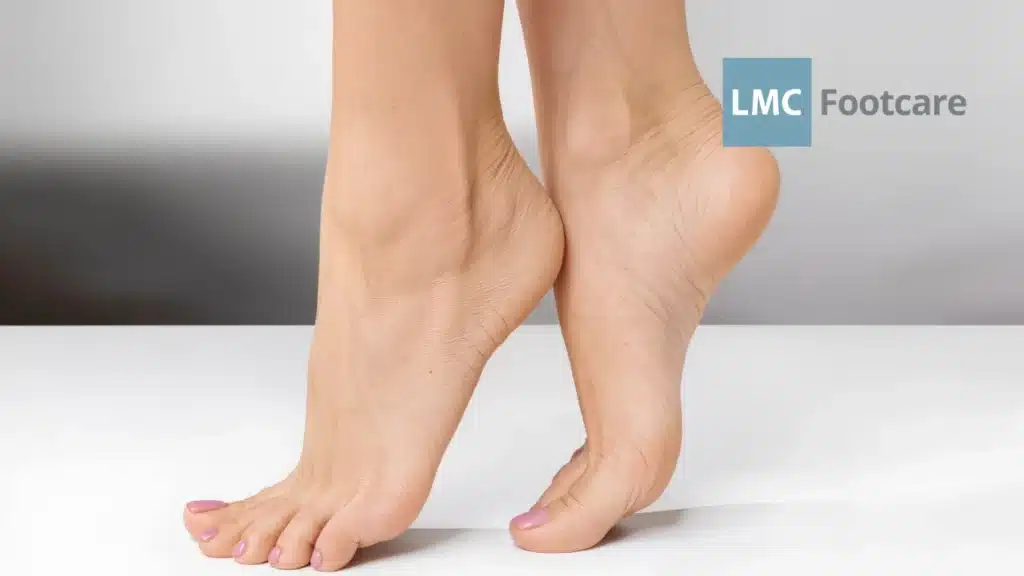
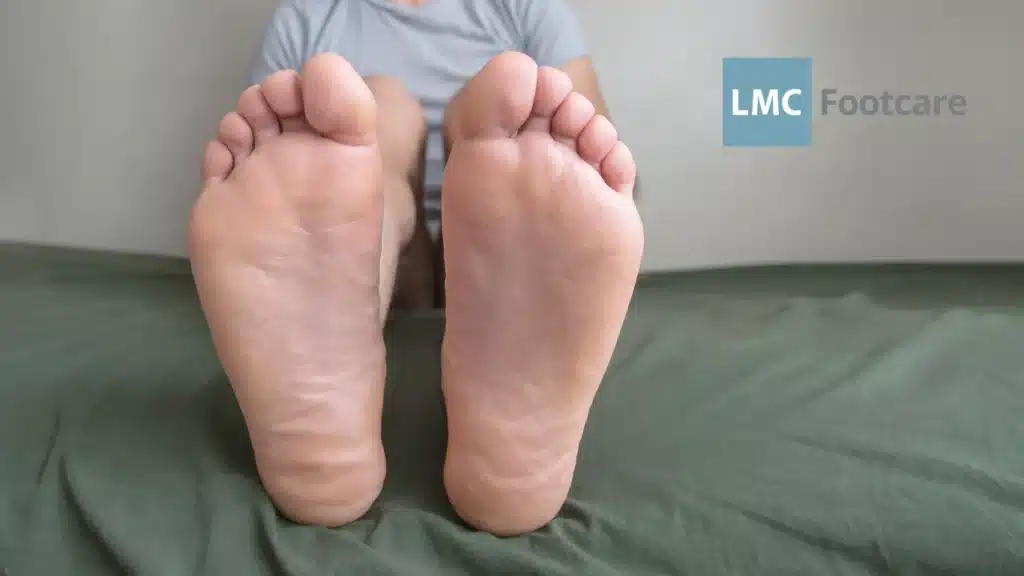
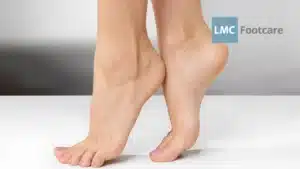
High arches (pes cavus) are a foot condition in which the arch sits significantly higher than normal, concentrating body weight on the heel and ball

LMC Healthcare has one of the largest research divisions in North America, Centricity Research. Our Chiropodists (Footcare Specialists) have the opportunity to participate in cutting-edge foot health research and new treatment approaches.
While a referral is not required to see our Chiropodists, we keep your family physician informed every step of the way with assessment and treatment summaries.
You also never have to wait long for an appointment! We have eight easily accessible locations in Ontario. Brampton, Vaughan, Oakville, Scarborough, Etobicoke, Midtown Toronto, Barrie, Ottawa, with more coming soon.
Common symptoms include foot pain (especially in the heel or arch), swelling along the inside of the ankle, and pain that worsens with activity. Some people also experience pain in their knees or lower back due to misalignment.
Yes, flat feet can lead to issues like plantar fasciitis, shin splints, Achilles tendonitis, and even knee or hip pain. That’s why it’s important to address the underlying cause early on.
Treatment options may include stretching exercises, supportive footwear, and custom orthotics designed to provide proper arch support and improve foot alignment. In severe cases, medical interventions like physical therapy or surgery may be recommended.

High arches (pes cavus) are a foot condition in which the arch sits significantly higher than normal, concentrating body weight on the heel and ball

The location, timing, and character of the foot pain are the clearest indicators of what is actually causing it. Heel pain that is worst first
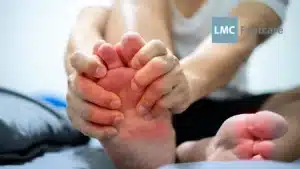
Foot pain is most commonly caused by biomechanical imbalances, overuse, poorly fitted footwear, or underlying health conditions that affect the structure and function of the
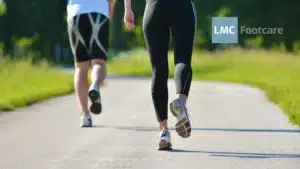
Not every runner needs custom orthotics, but they make a significant difference for those with biomechanical issues such as overpronation, flat feet, or high arches,
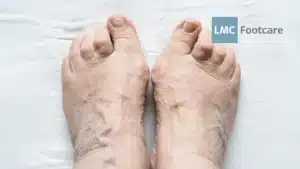
Custom orthotics can help manage hammer toes by correcting the underlying foot mechanics that contribute to the deformity, redistributing pressure away from the affected toes,
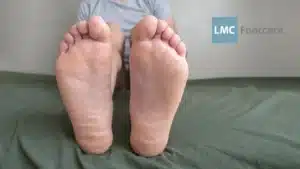
For most adults, custom orthotics manage flat feet rather than permanently correcting the underlying foot structure. They work by supporting the arch, redistributing pressure, and