

Yes. Orthotics can help with metatarsalgia by redistributing pressure away from the metatarsal heads (the bones at the ball of the foot), reducing the concentrated load that causes pain and inflammation. Custom orthotics go further by correcting the specific biomechanical factors contributing to your condition, making them one of the most effective long-term management tools for metatarsalgia. At LMC Footcare, registered chiropodists and Canadian Certified Pedorthists across Ontario, including Toronto and Vaughan, provide custom orthotic assessments tailored to your foot structure and lifestyle.
What Is Metatarsalgia and What Causes It?
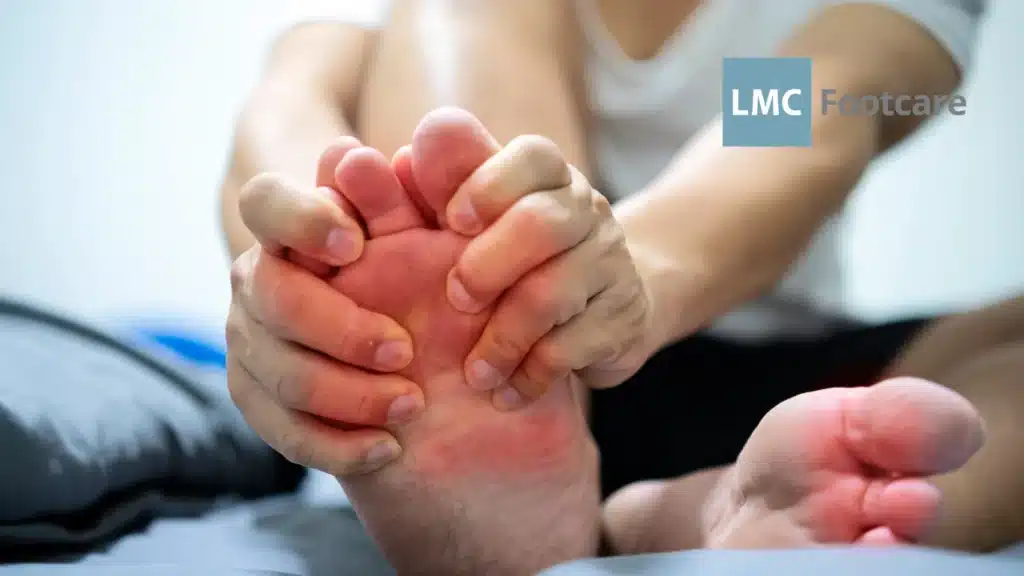
Metatarsalgia is a condition characterized by pain and inflammation in the ball of the foot, typically centred around the metatarsal heads. It develops when excessive or uneven pressure is placed on the forefoot over time. Common causes include high-impact activity, unsupportive footwear, high arches, flat feet, hammer toes, and excess body weight. It can affect one or several metatarsal heads simultaneously, and the pain is often described as a sharp, aching, or burning sensation.
How Do Orthotics Help With Metatarsalgia?
Orthotics help metatarsalgia by redistributing body weight more evenly across the entire foot, reducing the concentration of pressure on the metatarsal heads. They can also correct underlying gait abnormalities, such as overpronation or supination, that cause uneven loading of the forefoot. By addressing both the symptoms and the biomechanical root causes, orthotics provide relief that footwear changes or padding alone often cannot achieve.
What Is the Difference Between Custom Orthotics and Over-the-Counter Insoles for Metatarsalgia?
Over-the-counter insoles offer generalized cushioning that may temporarily reduce discomfort but are not designed to address the specific structural issues of an individual’s foot. Custom orthotics are fabricated from a mold or digital scan of your foot and prescribed to target the precise areas and movement patterns contributing to your metatarsalgia. For moderate to severe cases, or where over-the-counter options have already been tried without lasting results, custom orthotics are the more effective choice.
Can Orthotics Correct the Biomechanical Causes of Metatarsalgia?
Yes. Many cases of metatarsalgia are rooted in biomechanical issues such as overpronation, a high arch that concentrates load on the forefoot, or altered gait patterns from other foot conditions. Custom orthotics are designed to address these underlying mechanics directly — improving how weight is distributed across the foot during standing, walking, and activity. This makes them particularly valuable for people whose metatarsalgia keeps returning despite rest and footwear changes.
What Type of Orthotic Is Best for Metatarsalgia?
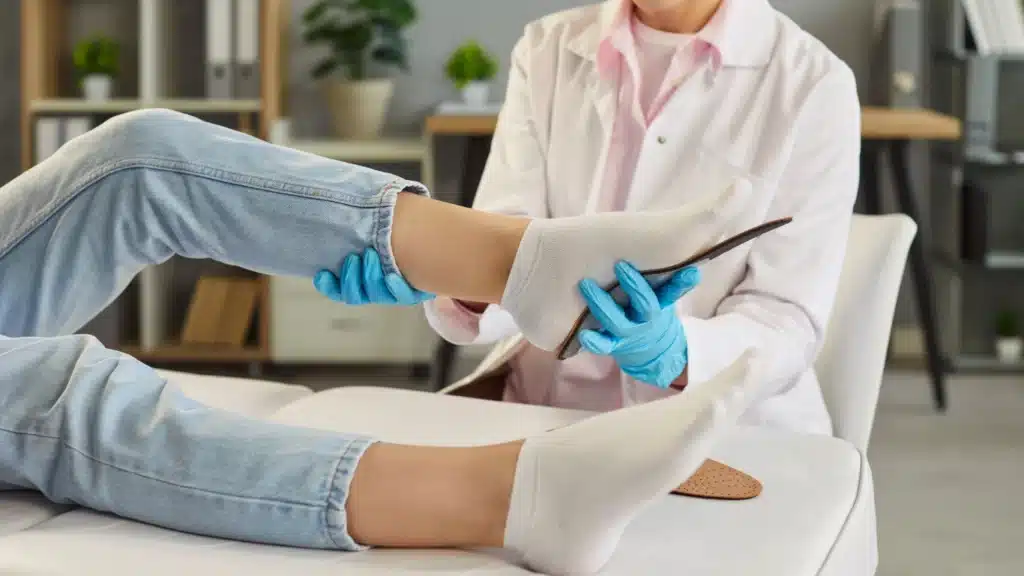
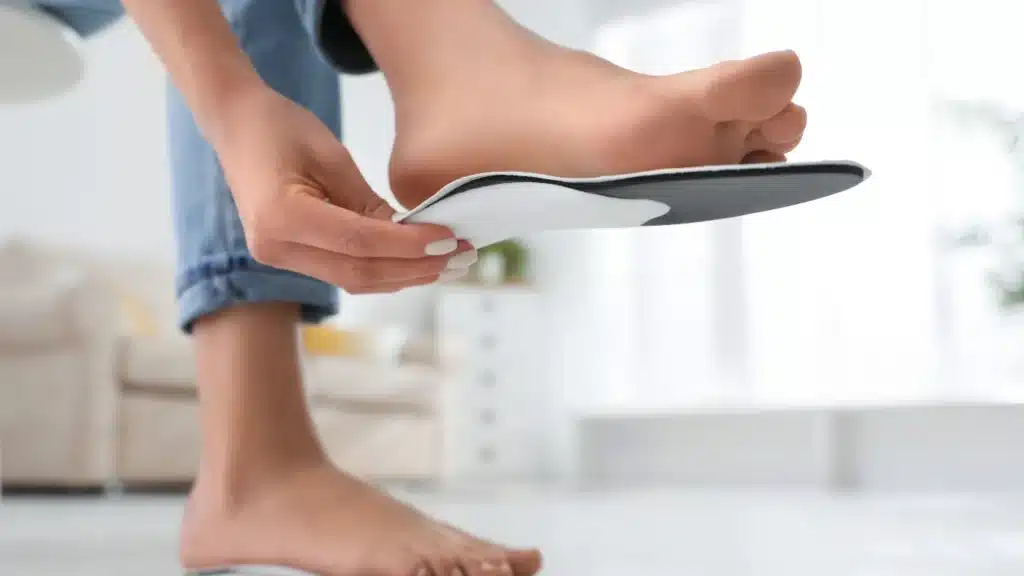
The most effective orthotic for metatarsalgia typically includes a metatarsal pad or bar positioned just behind the metatarsal heads to offload pressure from the painful area, combined with arch support to improve overall foot mechanics. The specific design depends on the individual’s foot structure, gait pattern, and activity level. A thorough biomechanical assessment by a chiropodist or Canadian Certified Pedorthist is the most reliable way to determine the right orthotic design for your situation.
Do Orthotics Work for Metatarsalgia Caused by High Arches?
Yes. High arches, also known as cavus foot, concentrate weight on the heel and the ball of the foot rather than distributing it evenly, which significantly increases the risk of metatarsalgia. Custom orthotics for high arches are designed to fill the arch space and redistribute load more evenly across the entire plantar surface of the foot. This reduces the pressure peaks at the metatarsal heads that lead to inflammation and discomfort.
Can Orthotics Help With Metatarsalgia in Athletes?
Orthotics are highly beneficial for athletes with metatarsalgia, particularly runners, court sport players, and anyone whose training involves repetitive forefoot loading. Athletic custom orthotics are designed to manage forefoot pressure during high-impact movement while accommodating the demands of the specific sport. Combining orthotics with appropriate footwear and a graduated return to activity produces the best outcomes for athletes managing metatarsalgia.
What Other Treatments Are Used Alongside Orthotics for Metatarsalgia?
Custom orthotics are most effective when combined with other elements of a comprehensive treatment plan. Alongside orthotics, metatarsalgia is commonly managed with footwear modifications to increase toe box depth and forefoot cushioning, targeted stretching of the calf and toe extensors, activity modification during the acute phase, and in persistent cases, laser therapy or shockwave therapy to reduce inflammation and promote tissue healing. At LMC Footcare, our team builds individualized treatment plans that combine these approaches based on the severity and duration of your condition.
Related Conditions We Treat
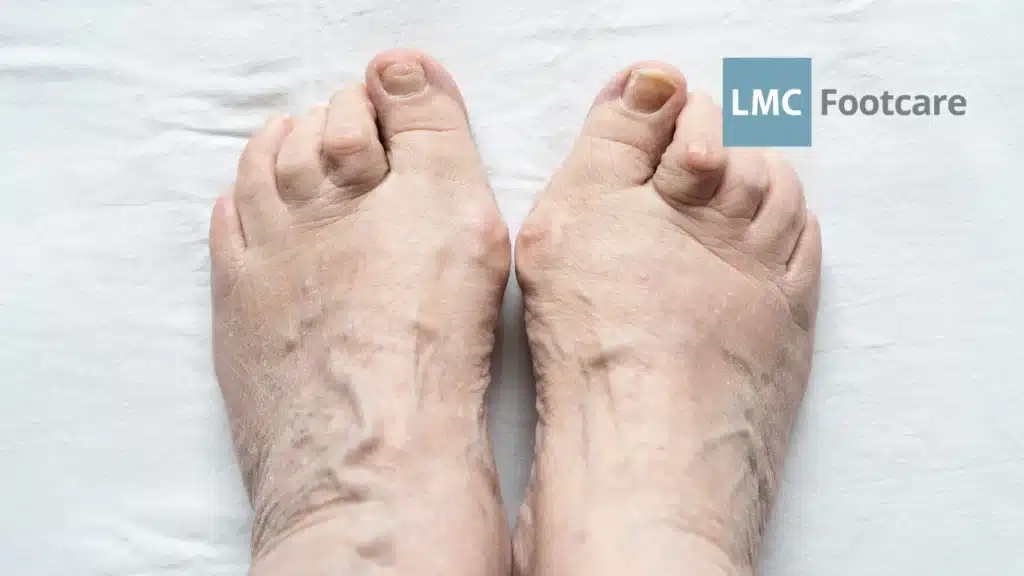
Metatarsalgia often develops alongside or as a result of other foot conditions that benefit from professional assessment and orthotic therapy. At LMC Footcare, our team regularly treats related conditions, including plantar fasciitis and heel pain, flat feet and overpronation, high arch deformities, Morton’s neuroma, hammer toes and toe deformities, and general forefoot pain from overuse or poor footwear. Treating contributing conditions alongside metatarsalgia leads to more complete and durable outcomes.
Who Assesses and Prescribes Orthotics for Metatarsalgia at LMC Footcare?
At LMC Footcare, registered chiropodists conduct full biomechanical assessments and prescribe custom orthotics based on a detailed analysis of your foot structure, gait, and lifestyle. Canadian Certified Pedorthists assess biomechanical conditions, cast for orthotics, and bring specialized expertise in orthotic fabrication and fitting, ensuring the final device matches the prescription and performs correctly for your specific needs. Together, they provide a comprehensive pathway from assessment to fitted orthotic — all under one roof at clinic locations across Ontario, including Toronto and Vaughan.
Frequently Asked Questions
Q: Are orthotics a permanent solution for metatarsalgia?
Custom orthotics are a highly effective long-term management tool for metatarsalgia, but they work best as part of a broader approach that includes appropriate footwear, stretching, and activity modification. For some people, orthotics resolve the condition entirely over time by correcting the underlying biomechanics. For others, particularly those with structural foot deformities, ongoing orthotic use is recommended to prevent recurrence.
Q: Can I use over-the-counter insoles instead of custom orthotics for metatarsalgia?
Over-the-counter insoles may provide temporary comfort for mild metatarsalgia but are unlikely to address the specific biomechanical factors driving the condition. If your symptoms are moderate to severe, have persisted for more than a few weeks, or have not improved with general insoles, a custom orthotic assessment is strongly recommended. The team at LMC Footcare can help you determine whether a custom device is necessary for your situation.
Q: How long do custom orthotics last?
Custom orthotics typically last between two and five years, depending on activity level, body weight, and the materials used in fabrication. Athletic orthotics worn during high-impact activity may need replacing sooner than those used for everyday walking. Regular check-ups at LMC Footcare allow your orthotics to be assessed for wear and adjusted or replaced as needed to maintain their effectiveness.
Q: Do I need a referral to get custom orthotics at LMC Footcare?
No referral is needed to book a custom orthotic assessment at LMC Footcare. You can book directly at any of our clinic locations across Ontario, including Toronto and Vaughan. Our registered chiropodists and Canadian Certified Pedorthists will conduct a full assessment and guide you through the process from evaluation to fitting.
Q: What should I expect at a custom orthotic assessment at LMC Footcare?
At your assessment, a registered chiropodist or Canadian Certified Pedorthist will evaluate your foot structure, gait, and the specific biomechanical factors contributing to your metatarsalgia. This typically involves a visual and hands-on examination of your feet, an analysis of how you walk, and, in many cases a mold or digital scan of your foot. The resulting orthotic is fabricated to the prescription and fitted at a follow-up appointment, with adjustments made as needed.