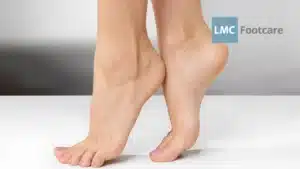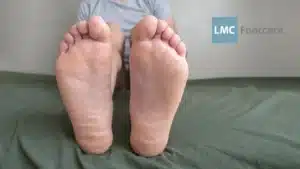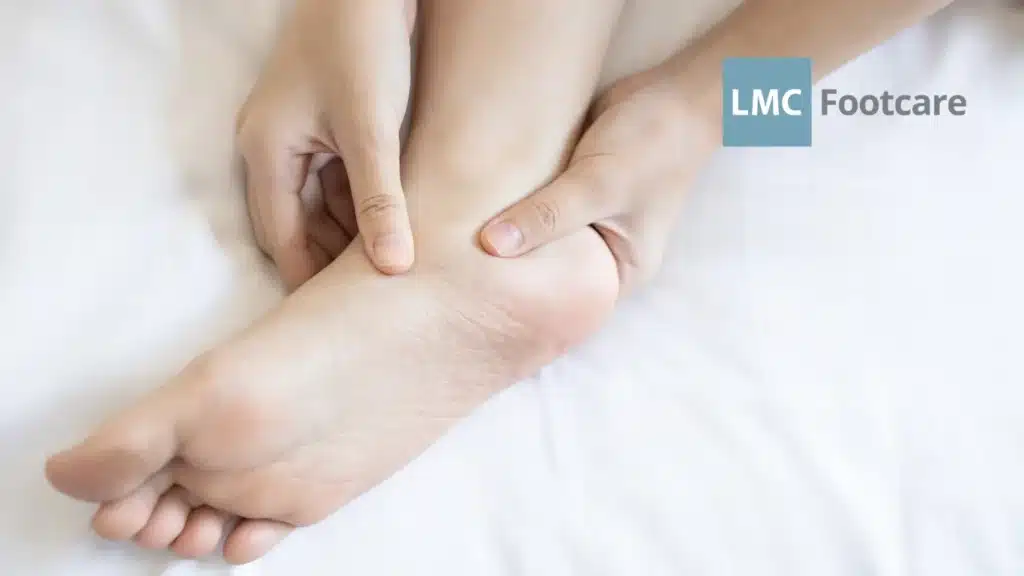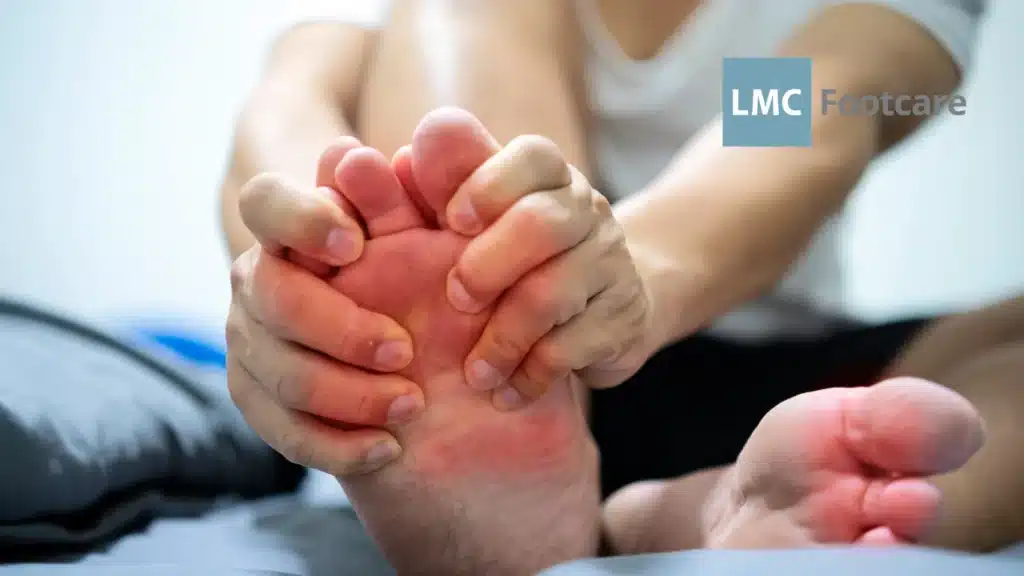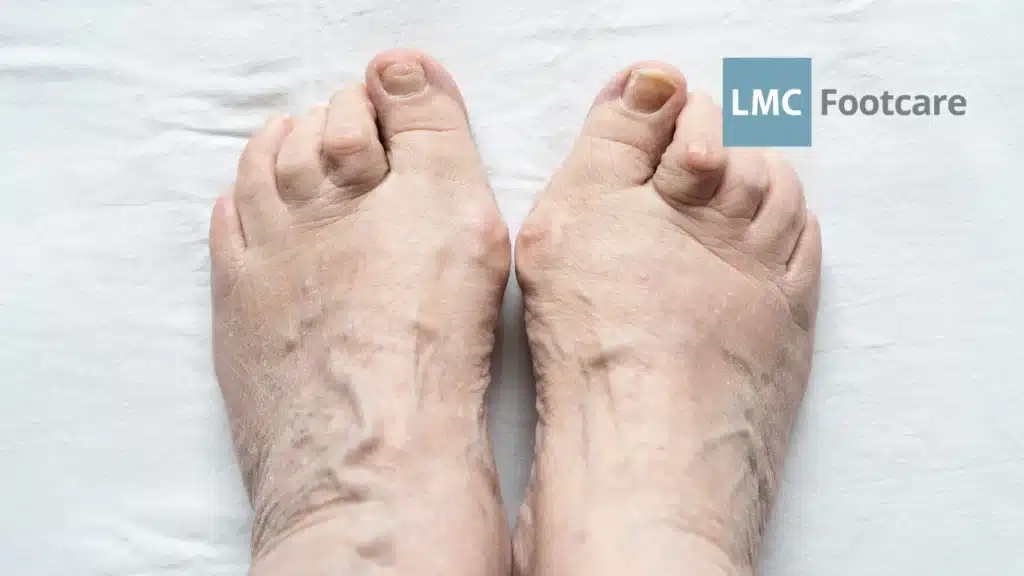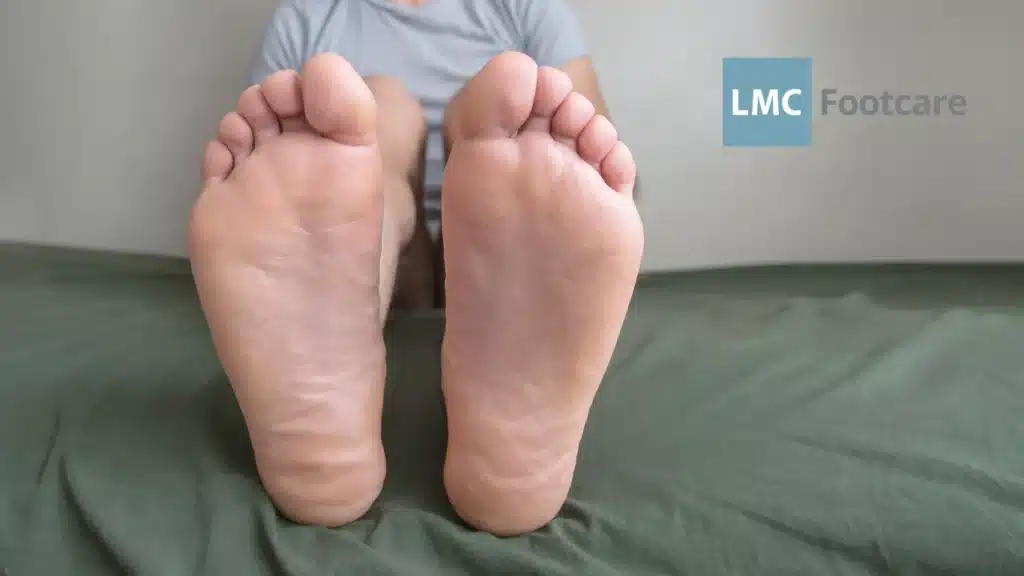


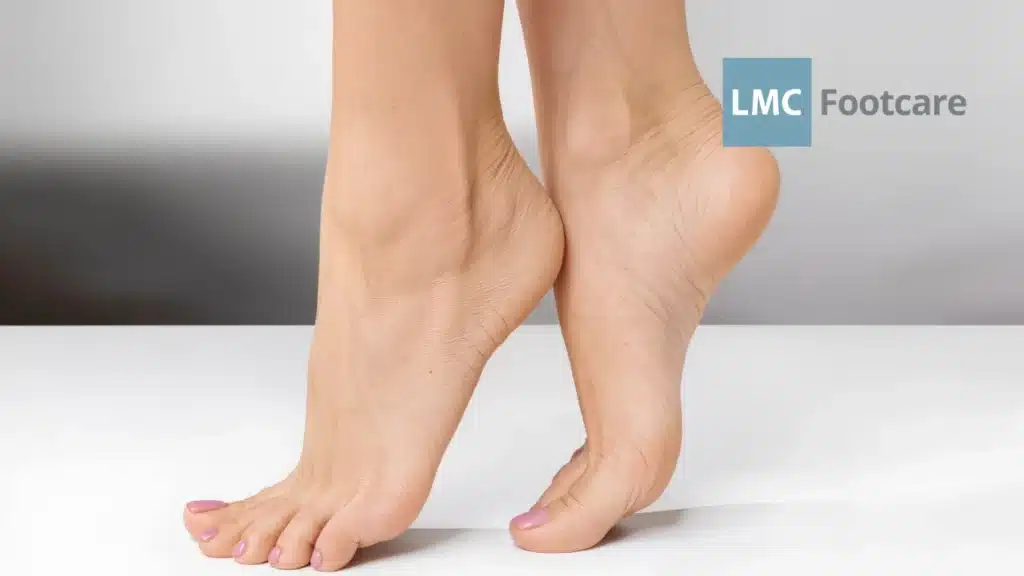
High arches (pes cavus) are a foot condition in which the arch sits significantly higher than normal, concentrating body weight on the heel and ball of the foot rather than distributing it evenly across the entire sole. Unlike flat feet, which are frequently asymptomatic in mild cases, high arches are more likely to cause pain and complications because the foot has less surface area to absorb load with each step. At LMC Footcare, registered chiropodists and Canadian Certified Pedorthists across Ontario assess and treat pes cavus through custom orthotics and comprehensive foot care tailored to the structural demands of a high-arched foot.
What Is Pes Cavus and How Is It Different From a Normal Arch?
A normal foot arch distributes body weight across the heel, outer edge, and ball of the foot during walking and standing. In pes cavus, the arch is abnormally elevated, which reduces the foot’s contact surface and forces the heel and metatarsal heads to bear a disproportionate share of every load. This concentrated pressure is the root cause of most of the pain and complications associated with high arches. The condition can affect one or both feet and ranges from mild to severe.
What Causes High Arches?
Pes cavus can be structural — meaning it is inherited or present from birth — or neurological, developing as a result of conditions that affect the nerves and muscles controlling foot posture. Neurological causes include Charcot-Marie-Tooth disease, cerebral palsy, spina bifida, and other conditions affecting the peripheral nervous system. In some cases, no underlying neurological cause is identified, and the condition is considered idiopathic. Because high arches can sometimes be the first presenting sign of an underlying neurological condition, a new or progressive pes cavus deformity should always be professionally assessed to rule out a neurological cause.
What Are the Symptoms of High Arch?
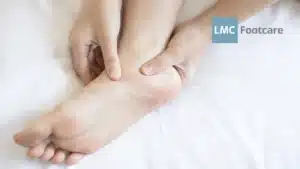
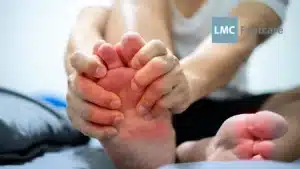
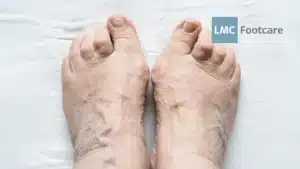
The symptoms of high arch vary depending on the severity of the arch elevation and any underlying neurological involvement. The most common presentations include pain and callusing under the heel and ball of the foot from concentrated pressure, instability during walking, particularly on uneven ground, frequent ankle sprains from the foot’s tendency to supinate, claw toes or hammer toes that develop as the toe flexors compensate for the high arch, and general foot fatigue during prolonged standing or walking. Some people with mild pes cavus remain largely asymptomatic, while others experience significant functional limitation.
Why Does High Arch Cause Ankle Instability?
A high-arched foot naturally tends to roll outward — a movement pattern called supination. This places the ankle in a position of lateral instability during weight-bearing, increasing the risk of inversion ankle sprains where the ankle rolls outward and the outer ligaments are stretched or torn. People with pes cavus often have a history of repeated ankle sprains, sometimes without a clear triggering incident, simply because the foot’s resting position places ongoing stress on the lateral ankle structures. Custom orthotics that address the supination tendency and improve foot contact with the ground are an important part of managing this instability.
What Complications Can Develop From Untreated High Arches?
High arches can lead to a progressive range of complications beyond the immediate symptoms. Repeated ankle sprains can result in chronic ligament laxity and long-term ankle instability. The concentrated forefoot pressure that drives metatarsalgia can lead to stress fractures of the metatarsal bones over time. Claw toe and hammer toe deformities often worsen progressively as the intrinsic foot muscles adapt to the altered arch mechanics. Plantar fasciitis is also significantly more common in high-arched feet because the fascia is placed under continuous tension by the elevated arch position. Managing pes cavus proactively prevents these secondary complications from developing or worsening.
How Is High Arch Diagnosed?
Diagnosis of high arch begins with a clinical assessment of the foot’s structure, flexibility, and function. A chiropodist will evaluate the height and rigidity of the arch, assess whether the deformity is flexible or fixed, examine the toes for associated claw or hammer toe changes, and analyze gait to identify the functional impact of the high arch during walking. Where a neurological cause is suspected, referral for neurological assessment may be recommended. Imaging such as X-rays may be used to assess the bony structure of the foot in more complex cases.
Can Custom Orthotics Help With High Arch?
Yes, and they are one of the most effective conservative interventions for high arches. Custom orthotics for pes cavus are designed to fill the elevated arch space, increase the foot’s total contact area with the ground, and redistribute pressure away from the heel and metatarsal heads where it is concentrated. They also help correct the supination tendency that drives ankle instability, providing a more stable base during walking and activity. Because the high-arched foot has very specific structural demands, over-the-counter arch supports are rarely adequate — a custom device fabricated to the precise contours of the foot provides a level of offloading and contact that a generic product cannot replicate.
At LMC Footcare, registered chiropodists prescribe custom orthotics for pes cavus based on a full biomechanical assessment, and Canadian Certified Pedorthists ensure the device is fabricated and fitted correctly within appropriate footwear. Book a custom orthotic assessment at your nearest LMC Footcare location to find out how orthotics can be designed around your specific arch structure and symptoms.
What Footwear Is Best for High Arches?
People with pes cavus require footwear with adequate depth to accommodate the high arch and any associated toe deformities, cushioned midsoles to absorb the impact that the reduced contact surface cannot attenuate, and a stable heel counter to support the ankle against lateral rolling. Motion control or stability shoes are not appropriate for high-arched feet. A neutral or cushioned running shoe, or a shoe with a wider toe box and firm heel, is generally more suitable. A Canadian Certified Pedorthist at LMC Footcare can provide footwear guidance tailored to your foot structure and daily activity needs.
When Does Pes Cavus Require Surgery?
Conservative management through custom orthotics, appropriate footwear, and exercise addresses the majority of pes cavus presentations effectively. Surgery is considered when the deformity is rigid and severe, when conservative treatment has not provided adequate symptom relief, or when significant structural complications such as advanced claw toes or chronic ankle instability require surgical correction. Surgical options range from soft tissue procedures — such as tendon transfers to rebalance the muscles pulling the foot into its high-arched position — to bony procedures that alter the architecture of the foot itself. Surgical decisions are always made in conjunction with a specialist following a thorough assessment of the severity and underlying cause of the deformity.
Frequently Asked Questions
Q: Are high arches worse than flat feet?
Neither is inherently worse than the other — both represent a deviation from neutral foot mechanics that can lead to pain and complications if left unmanaged. High arches tend to cause more pain more consistently than mild flat feet because the reduced ground contact surface concentrates pressure on fewer points. Both conditions are effectively managed with custom orthotics tailored to the specific demands of the foot structure involved.
Q: Can high arches develop in adulthood or are they always present from birth?
High arches can develop in adulthood, particularly when they are neurological in origin. A progressive increase in arch height — especially when accompanied by muscle weakness, foot drop, or changes in sensation — should always be assessed by a chiropodist who can determine whether referral for neurological evaluation is appropriate. Structurally inherited pes cavus, by contrast, is typically present from childhood and stable in severity.
Q: Will my high arches get worse over time?
Structural pes cavus without a neurological cause tends to be relatively stable, though the complications it causes — such as callusing, toe deformities, and ankle instability — can worsen over time without appropriate management. Neurologically-driven pes cavus may progress as the underlying condition evolves. Regular monitoring and proactive management with custom orthotics and appropriate footwear significantly reduces the risk of complications advancing.
Q: Can children with high arches wear custom orthotics?
Yes. Custom orthotics are appropriate for children with symptomatic pes cavus and can help manage the pressure distribution and stability issues that high arches create during the developmental years. As with all pediatric orthotics, devices need to be reviewed and replaced regularly as the child grows. A chiropodist or Canadian Certified Pedorthist at LMC Footcare will assess whether orthotics are indicated based on the child’s symptoms, arch structure, and activity level.
Q: How do I know if my foot pain is caused by high arches?
A biomechanical assessment at LMC Footcare is the most reliable way to determine whether your foot structure is contributing to your pain. Our registered chiropodists and Canadian Certified Pedorthists evaluate arch height, foot flexibility, gait mechanics, and any associated symptoms to build a complete picture of how your foot structure is affecting your comfort and function. No referral is needed — book at lmcfootcare.ca or by calling 1-844-562-3668.