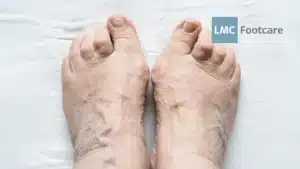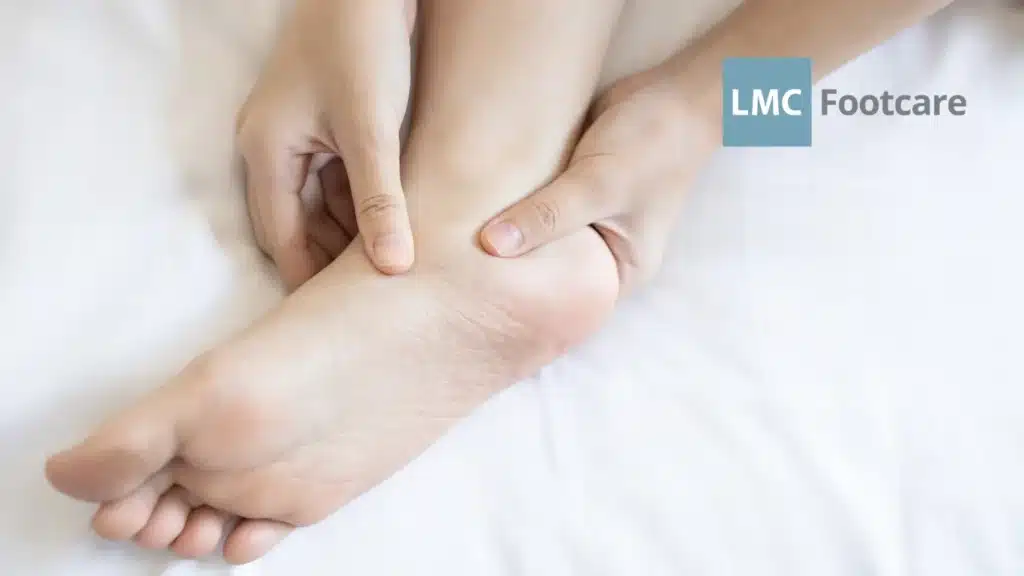


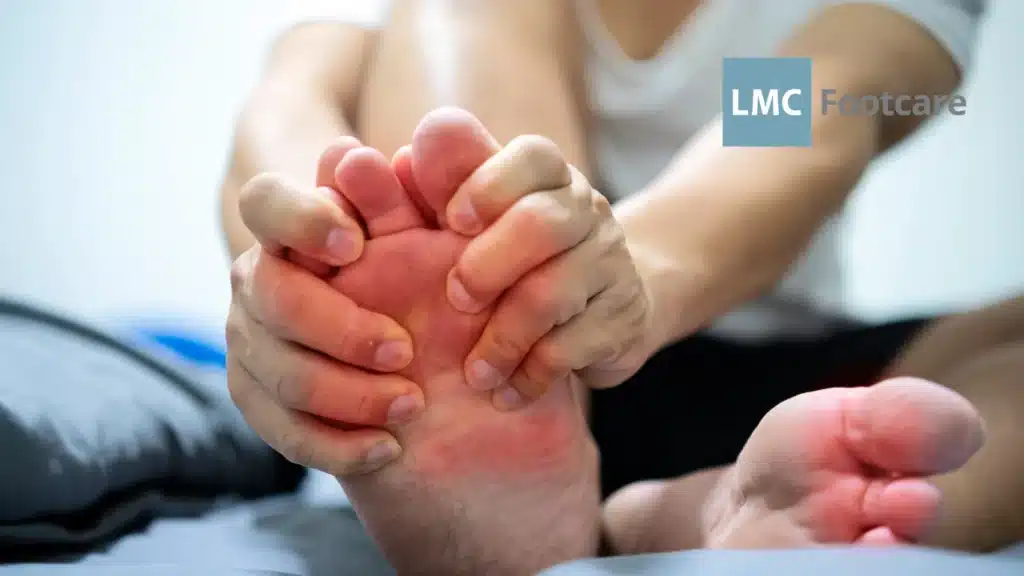
Foot pain is most commonly caused by biomechanical imbalances, overuse, poorly fitted footwear, or underlying health conditions that affect the structure and function of the foot. In many cases, the root cause is a combination of factors that build up over time rather than a single incident. Understanding what is driving your foot pain is the first step toward addressing it effectively, and in the majority of cases, a custom orthotic assessment is one of the most direct routes to lasting resolution. At LMC Footcare, our registered chiropodists and Canadian Certified Pedorthists assess foot pain across clinic locations in Ontario (including Toronto and Vaughan) to identify the underlying cause and build a treatment plan tailored to your needs.
Why Is It Important to Identify the Cause of Foot Pain?
Foot pain rarely resolves on its own when the underlying cause remains unaddressed. Many people manage symptoms with rest, over-the-counter products, or footwear changes without ever identifying what is actually driving the discomfort. This approach often leads to recurring pain, progressive deformity, or compensatory movement patterns that spread strain to the knees, hips, and lower back. A professional assessment identifies the root cause so treatment targets the problem rather than just the symptom.
What Is Plantar Fasciitis and What Causes It?
Plantar fasciitis is one of the most common causes of heel and arch pain, affecting the thick band of connective tissue running along the bottom of the foot. It develops when this tissue is subjected to repetitive stress (from prolonged standing, high-impact activity, flat feet, or tight calf muscles), causing small tears and inflammation. The characteristic sign is sharp heel pain with the first steps in the morning or after periods of rest. Custom orthotics are a frontline intervention for plantar fasciitis, addressing the biomechanical loading patterns that cause the fascia to become inflamed. Book a custom orthotic assessment at LMC Footcare to determine whether your heel pain has a biomechanical cause that orthotics can address.
What Causes Bunions and Can They Be Treated Without Surgery?
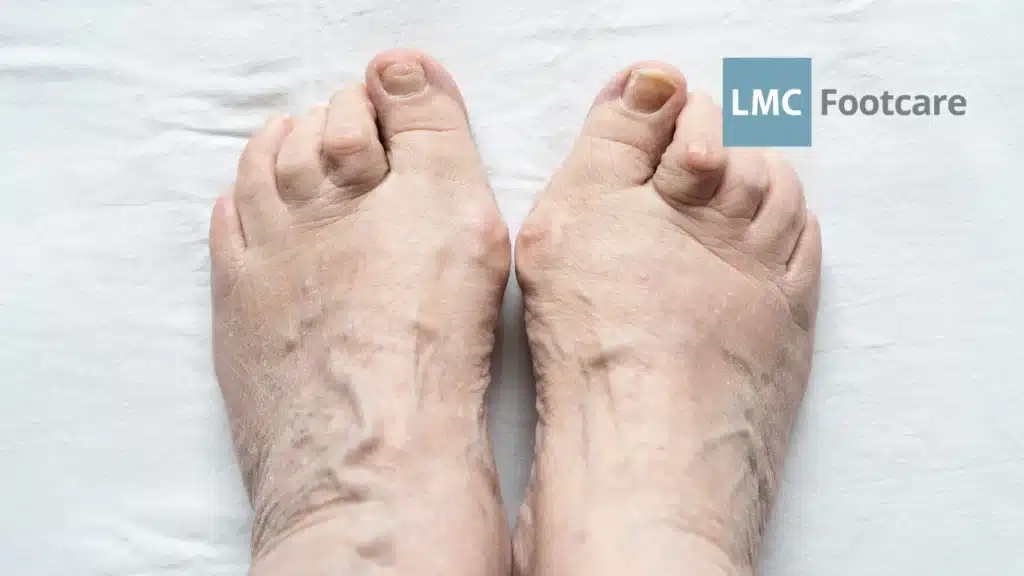
A bunion is a bony prominence that develops at the base of the big toe when the joint is pushed out of alignment over time. Bunions are influenced by inherited foot structure, footwear choices, and biomechanical loading patterns that place excess force on the big toe joint. They progress gradually and, in the early stages, can be managed conservatively through wider footwear, toe spacers, padding, and custom orthotics designed to redistribute pressure and slow the progression of the deformity. Surgery is typically considered only when the bunion causes significant pain or functional limitation that does not respond to conservative care. Early assessment at LMC Footcare can help determine the right management approach for your stage of bunion development.
What Are Corns and Calluses and What Causes Them?
Corns and calluses are areas of thickened skin that develop in response to repeated friction or pressure on specific areas of the foot. Calluses typically form on the ball of the foot or heel, while corns most often develop on or between the toes. Both are signs that a particular area of the foot is bearing more pressure or friction than it should, often due to poor footwear fit, foot deformities such as hammer toes, or biomechanical imbalances that concentrate load unevenly. Addressing the underlying cause, including through custom orthotics where a biomechanical issue is identified, prevents corns and calluses from recurring after removal.
What Causes Heel Spurs and Are They the Same as Plantar Fasciitis?
A heel spur is a bony deposit that forms on the underside of the heel bone, typically as a result of long-term tension from the plantar fascia or surrounding soft tissue pulling on the bone. Many people with heel spurs have no symptoms at all, while others experience significant discomfort — not from the spur itself but from the inflamed tissue surrounding it. Heel spurs and plantar fasciitis frequently occur together and share the same biomechanical triggers, which is why custom orthotics that address the root loading issue are effective for both conditions. If you are experiencing persistent heel discomfort, an assessment at LMC Footcare can determine whether a heel spur or plantar fasciitis is contributing to your symptoms.
What Is Morton’s Neuroma and What Does It Feel Like?
Morton’s neuroma is a thickening of the tissue around one of the nerves leading to the toes, most commonly between the third and fourth toes. It causes a sharp, burning, or tingling sensation in the ball of the foot, sometimes described as feeling like standing on a pebble or having a bunched-up sock inside the shoe. It is often aggravated by narrow footwear or high heels that compress the forefoot. Conservative treatment includes footwear modifications, metatarsal padding, and custom orthotics that offload the affected nerve.
What Causes Ingrown Toenails and When Do They Need Professional Treatment?
Ingrown toenails occur when the edge of a toenail grows into the surrounding skin, causing pain, swelling, and in some cases infection. They are most commonly caused by incorrect nail trimming, tight footwear, or a naturally curved nail shape. Mild cases can sometimes be managed at home with proper nail care and appropriate footwear, but recurring or infected ingrown toenails require professional treatment. At LMC Footcare, registered chiropodists treat ingrown toenails and provide guidance on preventing recurrence — addressing both the nail and any footwear or biomechanical factors contributing to the problem.
What Causes Arch Pain and Is It Always Flat Feet?
Arch pain is not always caused by flat feet; it can also result from high arches, plantar fasciitis, posterior tibial tendon dysfunction, or overuse from sudden increases in activity. Each of these conditions places strain on different structures of the arch and requires a different treatment approach. Flat feet are a common contributor, but assuming arch pain is simply a matter of “needing arch support” without identifying the specific cause can lead to ineffective or even counterproductive treatment. For a deeper look at how flat feet relate to arch pain and what orthotics can and cannot do, see our related article on custom orthotics for flat feet.
What Causes Toe Pain Other Than Bunions and Hammer Toes?
Toe pain beyond bunions and hammer toes can result from gout, a form of inflammatory arthritis that commonly affects the big toe joint, as well as sesamoiditis, which is inflammation of the small bones beneath the big toe joint, stress fractures in the toe bones, or arthritis affecting the toe joints more broadly. Gout episodes cause sudden, severe pain and swelling, often overnight, and are triggered by elevated uric acid levels. Sesamoiditis causes pain under the big toe that worsens with activity and is particularly common in dancers and runners. Both conditions benefit from footwear modifications and, in the case of sesamoiditis, custom orthotics that offload the sesamoid bones during activity.
When Does Foot Pain Require a Professional Assessment?
Foot pain that persists for more than two weeks, worsens despite rest and footwear changes, affects the way you walk, or is accompanied by swelling, numbness, or tingling should be assessed by a foot care professional. Likewise, any foot pain in someone living with diabetes warrants prompt professional attention regardless of severity. Early assessment leads to faster recovery, prevents conditions from becoming chronic, and ensures that treatment is targeted at the actual cause of the pain rather than a general symptom.
Frequently Asked Questions
Q: What is the most common cause of foot pain in adults?
Plantar fasciitis is the most commonly diagnosed cause of adult foot pain, particularly heel and arch pain. It is closely followed by metatarsalgia, bunions, and Achilles tendonitis. The majority of these conditions share a biomechanical component, which is why a gait and foot structure assessment — and in many cases custom orthotics — is central to effective treatment.
Q: Can foot pain go away on its own?
Mild foot pain from temporary overuse or poorly fitted footwear can resolve with rest and footwear changes. However, pain caused by biomechanical conditions such as plantar fasciitis, flat feet, or bunions rarely resolves without addressing the underlying structural or mechanical cause. Waiting for foot pain to resolve on its own often allows the condition to become more entrenched and harder to treat.
Q: Do I need a referral to see a chiropodist in Ontario?
No referral is required to book a foot assessment at LMC Footcare. You can book directly at any of our clinic locations across Ontario, including Toronto and Vaughan. Our registered chiropodists will assess your foot pain, identify the underlying cause, and recommend the most appropriate treatment pathway. Book at lmcfootcare.ca or by calling 1-844-562-3668.
Q: How do custom orthotics help with foot pain?
Custom orthotics address foot pain by correcting biomechanical imbalances that place uneven stress on the foot and lower limb. They redistribute pressure away from painful areas, support the arch and heel, and improve gait mechanics during standing, walking, and activity. Because they are fabricated to the precise contours and needs of your individual foot, they provide a level of targeted support that over-the-counter insoles cannot replicate. To find out whether custom orthotics are the right solution for your foot pain, book an assessment at your nearest LMC Footcare location today.